
Beethoven’s Hair DNA Reveals a Surprising Twist Almost 200 Years Later
Ludwig van Beethoven, one of the greatest composers in history, left behind a legacy not only of music but of mystery. Recent DNA analysis of his preserved hair samples has revealed startling findings that shed light on his health and ancestry in ways never before imagined.
Decoding Beethoven’s Health Struggles
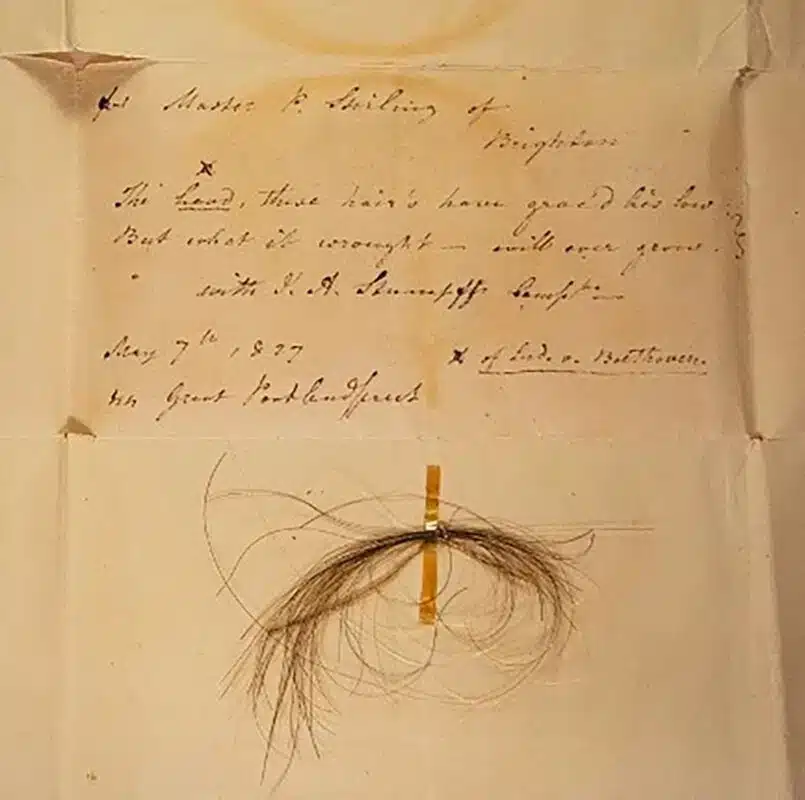
In March 2023, a game-changing genetic study was conducted on authentic strands of Beethoven’s hair. The goal? To answer questions posed by the composer himself in his writings, particularly about his deteriorating health.
- No evidence supports the theory of lead poisoning as a cause of death.
- A hepatitis B infection likely contributed to his fatal illness.
- The root causes of his hearing loss and digestive issues remain elusive.
Johannes Krause, a bioarchaeologist at the Max Planck Institute, led the effort to explore Beethoven’s genetic health profile. The study provided fascinating insights into how his ailments, including liver disease exacerbated by alcohol consumption, might have shaped his life and music.
A Family Secret in the Composer’s Genes
Perhaps the most surprising finding wasn’t about Beethoven’s health but his lineage. Genetic testing revealed a mismatch in the paternal Y chromosome lineage. This suggests a non-paternal event—an extramarital affair—somewhere in the composer’s family line between the 16th and 18th centuries. Such revelations add an unexpected twist to the history of a man celebrated for his towering symphonies.
The Enduring Enigma of His Hearing Loss
Beethoven’s loss of hearing, beginning in his late twenties, profoundly impacted his life. Starting with tinnitus and hypersensitivity to loud noises, his condition worsened until he could no longer hear higher frequencies. Despite exhaustive genetic testing, no definitive cause for his deafness has been identified.
Researchers also remain puzzled by his chronic gastrointestinal issues, which began in his early twenties. These health challenges paint a picture of resilience, as Beethoven continued to compose some of his greatest works amid physical torment.
A Twist in the Historical Narrative
Adding to the intrigue, one strand of hair long attributed to Beethoven turned out to belong to a woman. This error undermines earlier theories, such as one that blamed lead poisoning for his ailments. The mix-up highlights the importance of scientific rigor in historical studies.
Authentic samples, however, have proved invaluable, unraveling a story of illness, ancestry, and resilience. Questions about how Beethoven contracted hepatitis B or how a woman’s hair was mistakenly tied to his legacy keep historians and scientists searching for answers.
The Legacy of Science and Music
Nearly two centuries after Beethoven’s death, science continues to illuminate his life’s mysteries. The findings reveal not only the physical challenges he faced, but also the human connections—some scandalous, others inspiring—that shaped his story. As genetic research advances, more surprises from the past may yet await discovery.
This study, published in Current Biology, is a testament to how modern science can rewrite the narratives of history’s most iconic figures.
Source link