
Shōgun, Baby Reindeer, Industry, and more.
Let’s not sugarcoat it: 2024 was a bit of an underwhelming year in television. With Hollywood production still down compared to Peak-TV highs, and with streaming companies raising subscription prices while cutting back on original programming, it’s felt, more than ever, like there’s nothing good to watch. Highly anticipated new seasons of everyone’s favorite shows fizzled; expensive-looking adaptations and IP plays landed with a thud; even HBO struggled to get many of its Sunday-night offerings to break through.
Still, there was some TV worth watching. Here are the Slate staff’s 10 favorite shows of the year, along with five honorable mentions.
The Top 10
Shōgun
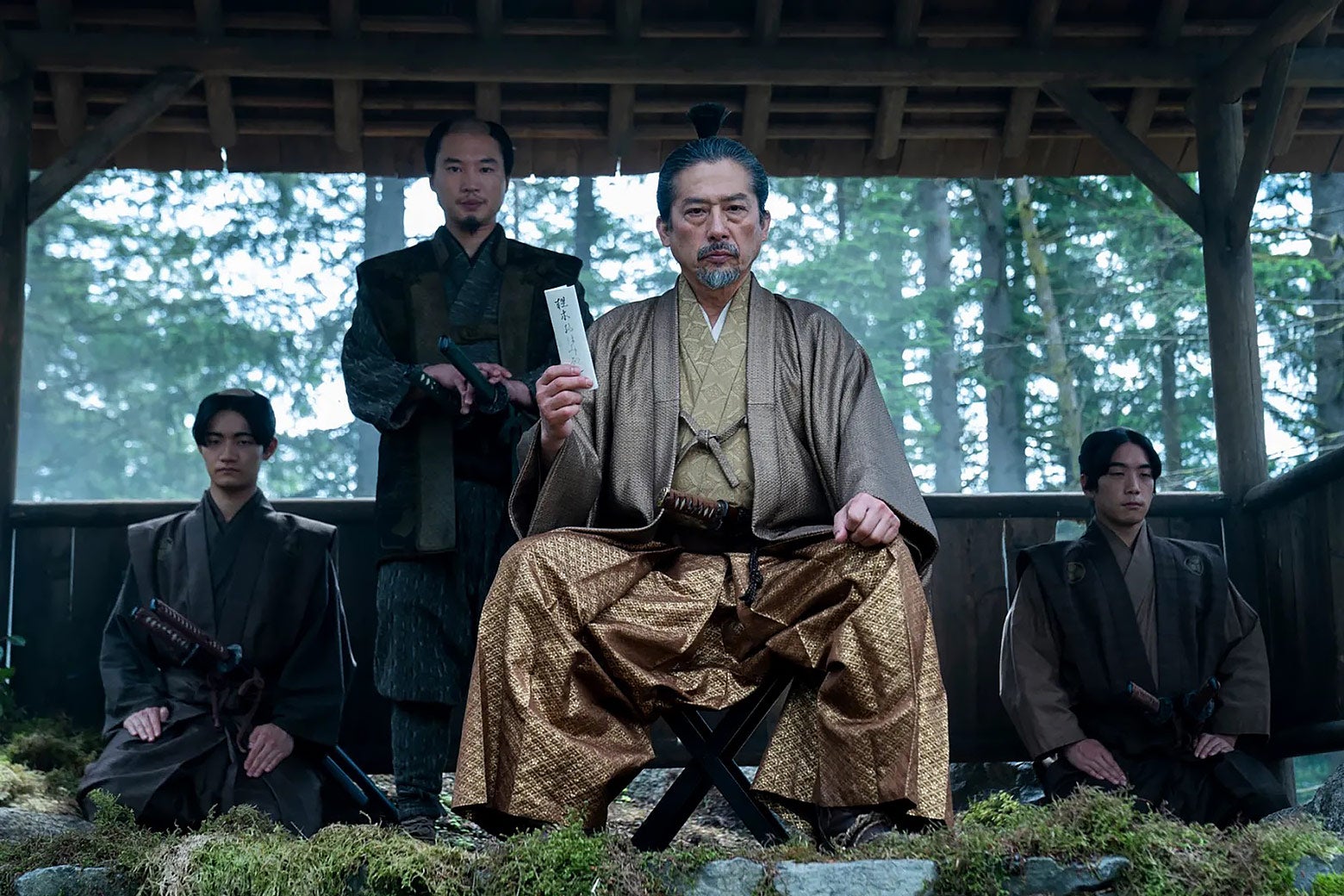
There was initially something slightly embarrassing about being enthralled with Shōgun in the year 2024. Here was a series tuned toward so many shameless Western fascinations—arcane systems of honorific bloodletting, triple bluffs in the throne room, white guys moving to Japan and buying a katana—that my effusive praise of the show forced me to check my priors. The source material, James Clavell’s 1975 novel, reeks of an outmoded Orientalism, oozing with wanton sex and exoticized violence, which did not bode well for any creative team gearing up for a latter-day adaptation. And yet, I think the best thing you can say about Shōgun is that the FX series leapfrogs above all of that with intelligent grace. Yes, it heaps gratuitous ladles of warrior masculinity on its audience with the likes of warlord-philosopher Yoshii Toranaga, who provides all the lurid visions of the feudal Japanese customs that moved millions of gawking English speakers to purchase Clavell’s book in the first place. (The camera lingers on the severed bellies of the recently seppuku’d with carnal relish.) But those sequences are alloyed with an achingly understated love story, a masterful interrogation of Western individualism, and a resonant appreciation for its setting that never comes off as cloying, needy, or overly mystic. It turns out you can make a samurai show that neutralizes all of the tiresome anxieties about samurai shows. And frankly, it’s about time. —Luke Winkie
Streaming on Hulu and Disney+.
The Franchise
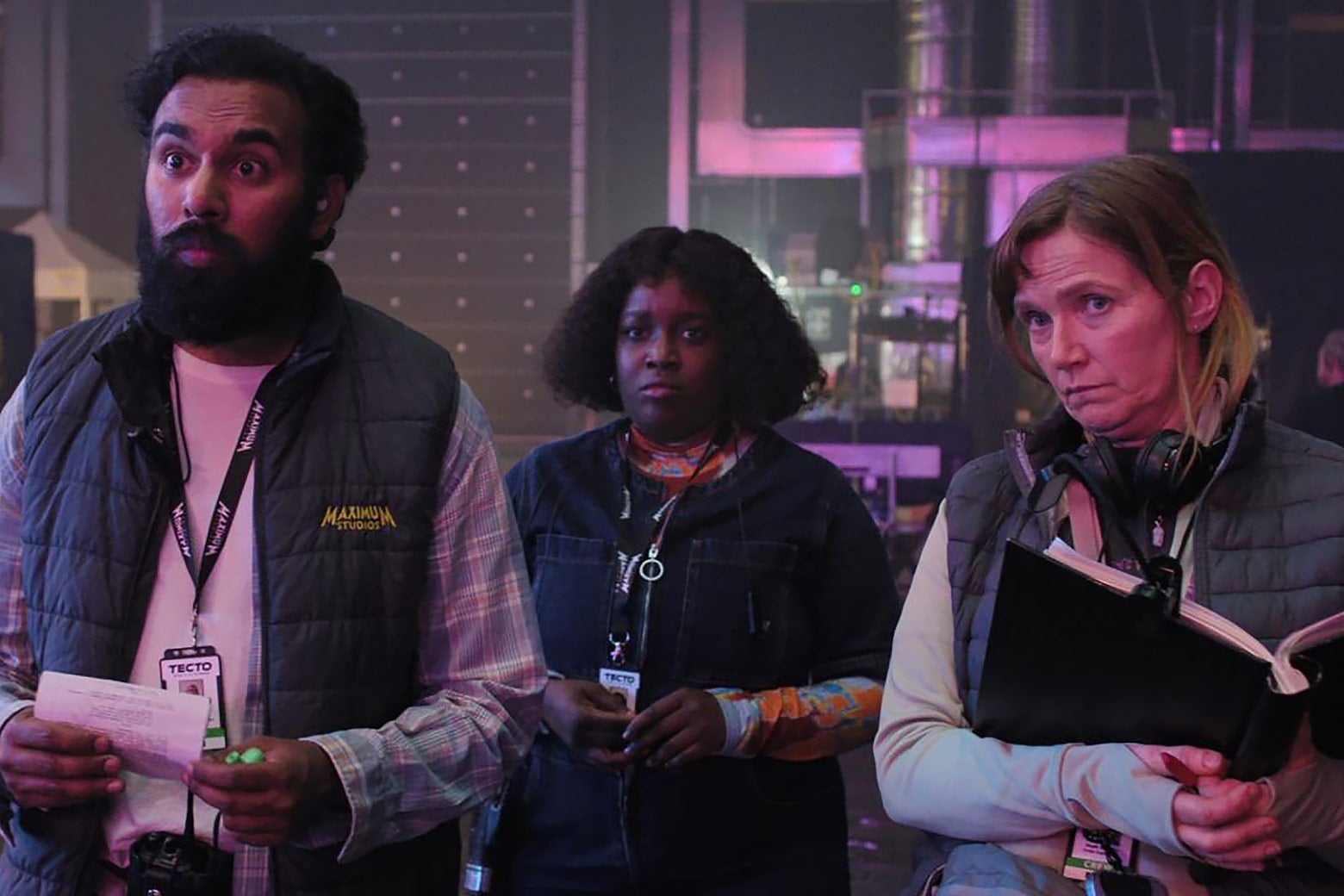
HBO’s series wasn’t the death blow to the superhero-industrial complex that some viewers (and critics) hoped for, but that’s because its most potent subject was elsewhere. For all its intergalactic trappings, The Franchise’s core dilemma was a brutally familiar one: What do people who define themselves through their work do when the very idea of meaningful work becomes a sick joke? An art-house auteur loads his second-tier sequel with environmental symbolism; a producer convinces herself that giving a female villain a longer staff than the male lead strikes a blow for feminism; the beleaguered assistant director whips everyone into line, hoping someday he’ll be the miserable bastard calling the shots. (Unsurprisingly, the film-industry people I’ve talked to about The Franchise say it’s dead-on.) It’s been a long time since I’ve thought about a line of a dialogue as much as the director’s you-can’t-win lament about trying to stick it to the Man: “Every time I find a hill to die on, I die on it—and then I’m just dead on a hill.” —Sam Adams
Streaming on Max.
Baby Reindeer
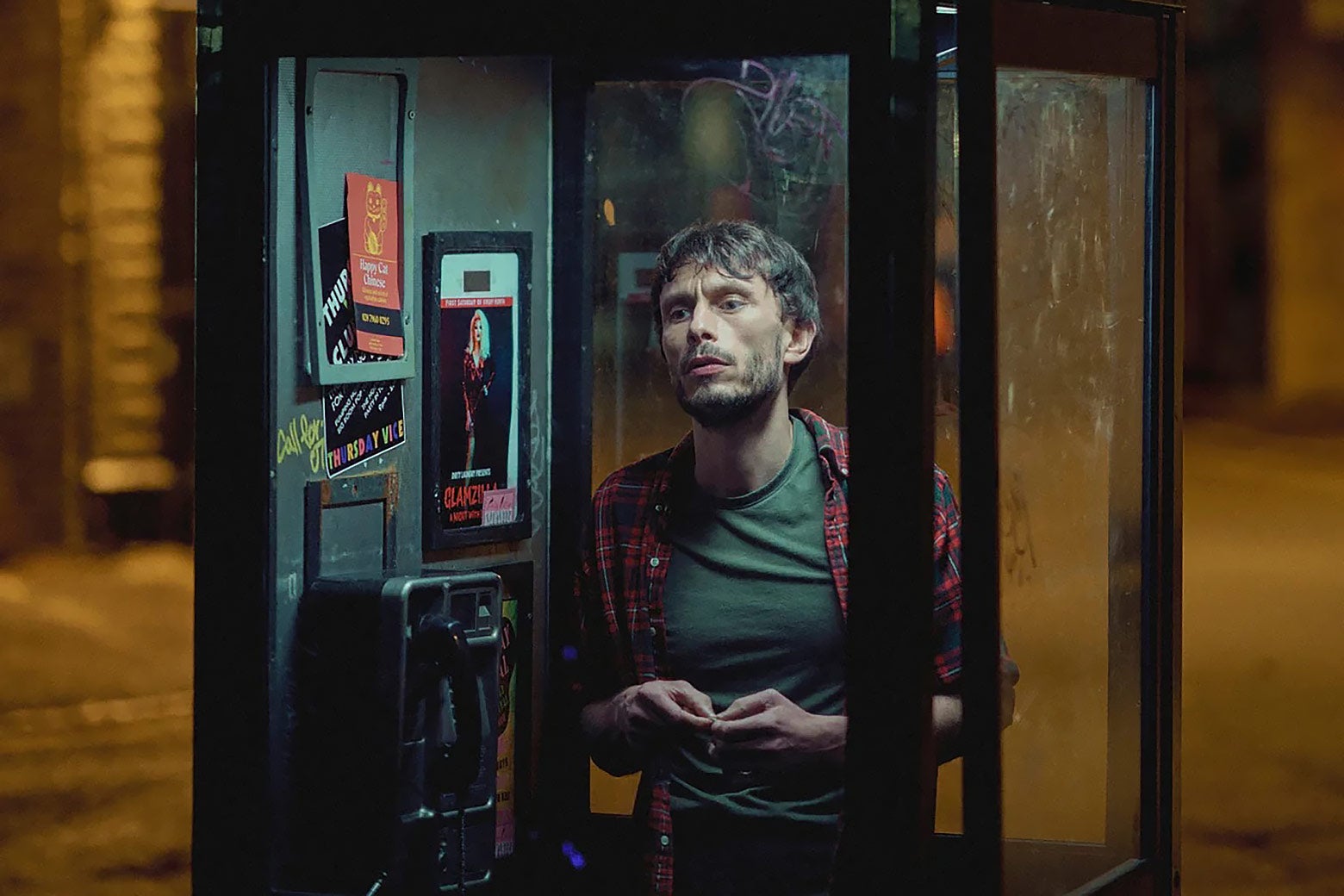
There are TV shows you watch on a screen, and then there are TV shows that seem to jump out of the screen at you. Baby Reindeer, the hit miniseries about a man and his stalker, is the latter. The show follows Donny—the fictional avatar of writer, director, and comedian Richard Gadd—as he succumbs to a series of bizarre and unsettling interactions with Martha, a deranged woman who develops an all-consuming and often violent obsession with him (which, it should be noted, is often conveyed through a series of garbled, gloriously misspelled, and supposedly “real” texts and emails). But as the show unravels, it becomes clear it’s not just Martha who’s demented—it’s Donny, too, and his constantly devolving relationship with Martha only brings it out of him more. The beating heart of Baby Reindeer is the twisted, incomprehensible cat-and-mouse game between them, with each of them choosing increasingly pulse-pounding methods to torment each other—and, paradoxically, dig their claws into each other’s lives. It’s an engrossing depiction of the ways one person’s trauma can inflame another’s, and the vicious cycles which can worsen and multiply. There are no two people more perfectly suited to ruin each other’s lives—which is fitting, because the drama between them continued in real life, after the show was released.
Is Baby Reindeer a “true story,” as Netflix originally crowed (and then retracted)? Maybe not, but even so, it really doesn’t matter. The tense, perverted, and highly vulnerable frequency it operates on sucks you in like an undertow, and it’s hard to unglue yourself from your seat as you watch Donny and Martha self-destruct and then come together again. The characters are vulnerable, heartbreaking, original, and complex; the writing is excellent; the pace is frenetic; and just about nothing in it is predictable. Even if it’s not “true,” it’s both intriguing and watchable. —Isabelle Kohn
Streaming on Netflix.
English Teacher
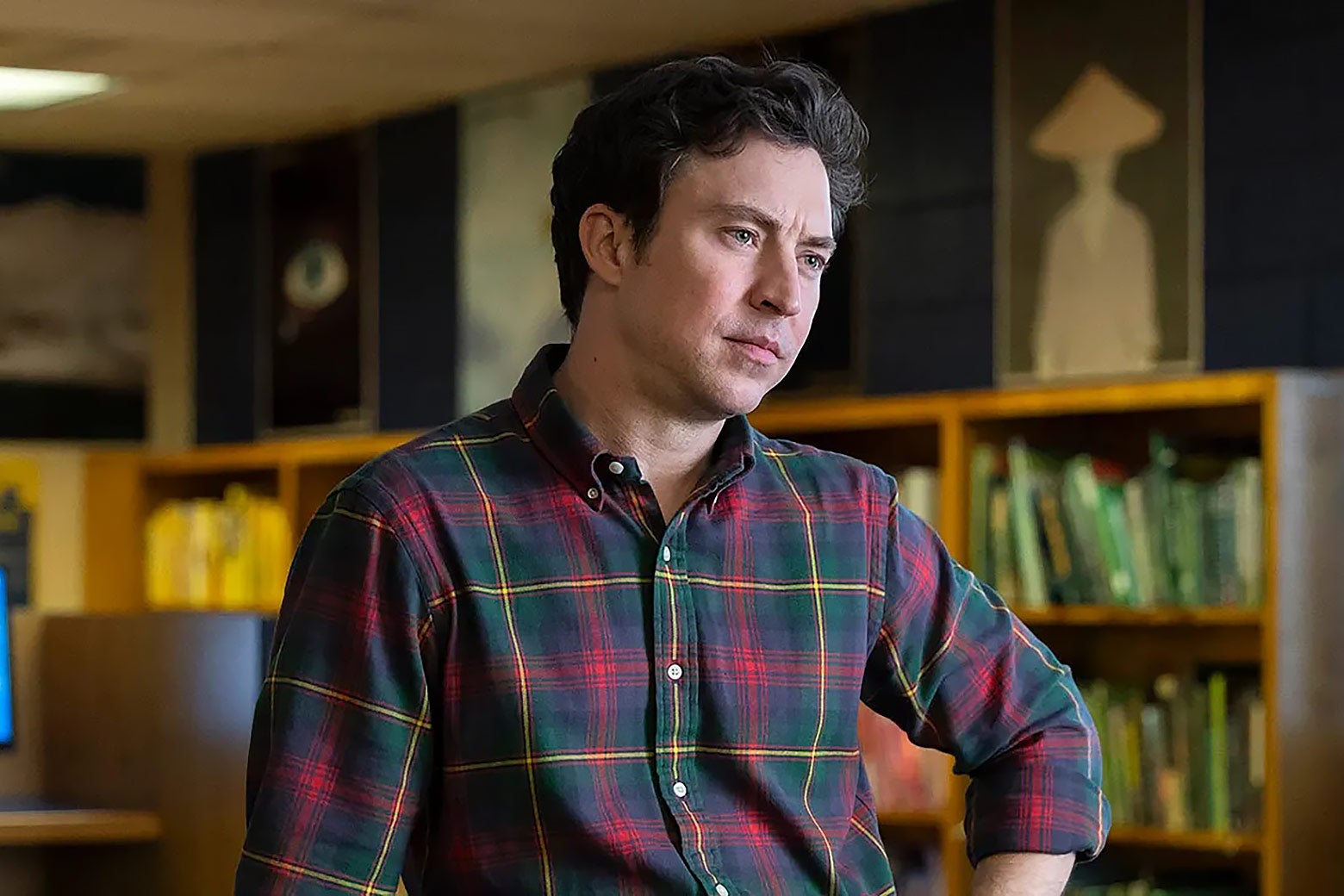
English Teacher creator and star Brian Jordan Alvarez has gone viral on TikTok a few times: once for his absolute banger, “Sitting,” and again for dancing around with his shirt off. Both are exceptionally entertaining videos, but nothing comes close to how funny and charming English Teacher is. If you’re worried this show is too similar to Abbott Elementary to be enjoyed, rest assured that similarities between the shows begin and end with the public school system. The FX sitcom is toothier, grittier, grosser, and simultaneously more absurd and yet more rooted in reality. The teachers are weird, often unhelpful, and determined to try to be better anyway; the students are manipulative and lazy, which feels exactly right when it comes to a bunch of high schoolers. It’s funny, honest, and gay—what more do you need? —Scaachi Koul
Streaming on Hulu and Disney+.
Jerrod Carmichael Reality Show
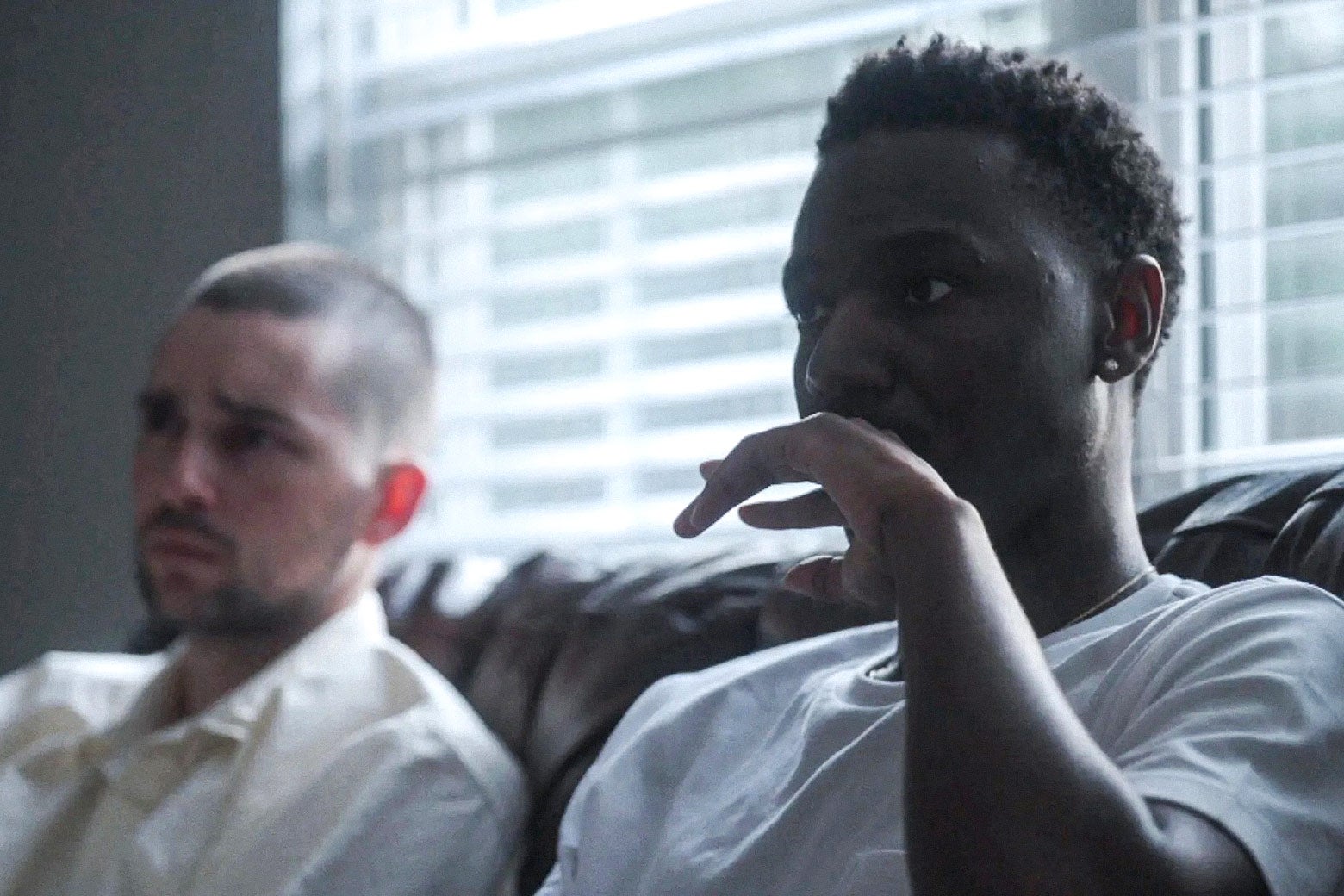
Two years after the release of his award-winning comedy special that netted Jerrod Carmichael a much wider audience, the abrasive comedian returned with a “reality show” that entirely subverts the genre it’s named after. There are no bombastic edits, no confessionals, and no melodrama begging the audience to suspend disbelief that “reality TV” is actually real. Instead, Carmichael’s show depicts moments so awkward and uncomfortable that it dares the audience to question whether authenticity can even exist in front of cameras. In this genre-bending show, we may see Carmichael confront the aspects of his life that he is struggling with—unrequited love, his inability to be a dependable partner or friend, his burdened relationship with his parents after coming out as a gay man—but, judging by the audience’s polarized reaction to this unlikeable protagonist, the show reveals more about those watching than it does the man onscreen. —Nadira Goffe
Streaming on Max.
Love Island USA
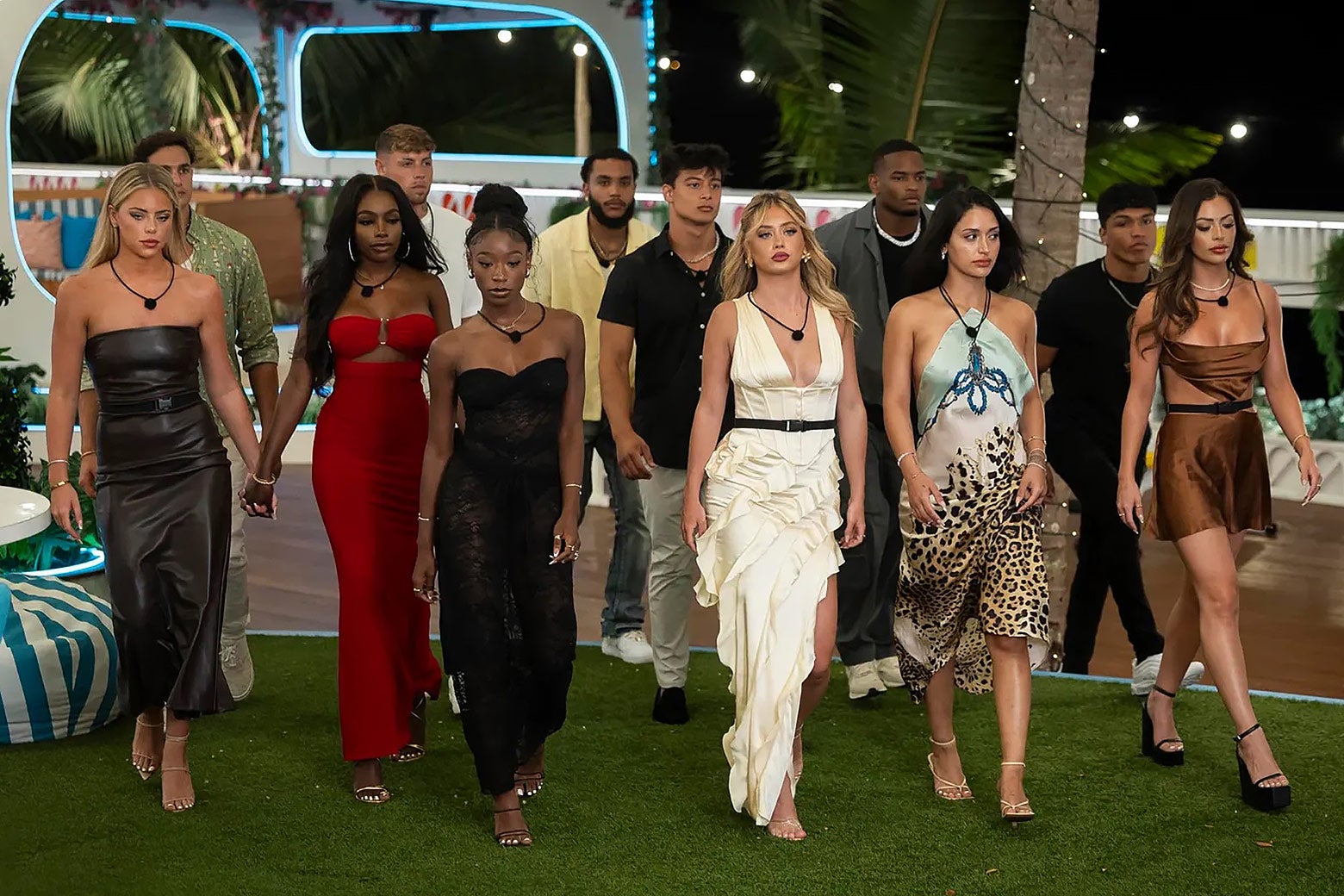
The producers of the stateside incarnation of the dating reality series Love Island “did their big one” this year, finally turning the American version of the show into the kind of phenomenon it’s long been in its native U.K. How did they manage it? Streaming service Peacock capitalized on good momentum going into the Olympics, and host Ariana Madix provided an entry point for Bravo fans, but mostly, viewers fell in love with this season’s cast, who wasted no time falling in lust with each other. From Serena ever so gradually warming up to Kordell, to Leah and Rob’s constant ups and downs, the show consistently booped us on the nose with genuine moments of drama and humanity, interspersed with exactly the sort of fun hangout vibes a summer show needs (not to mention a great pop soundtrack). We’re eager to see whether the producers can strike gold again, but whatever happens, we’ll always remember those Season 6 fanny flutters. —Heather Schwedel
Streaming on Peacock.
Hacks
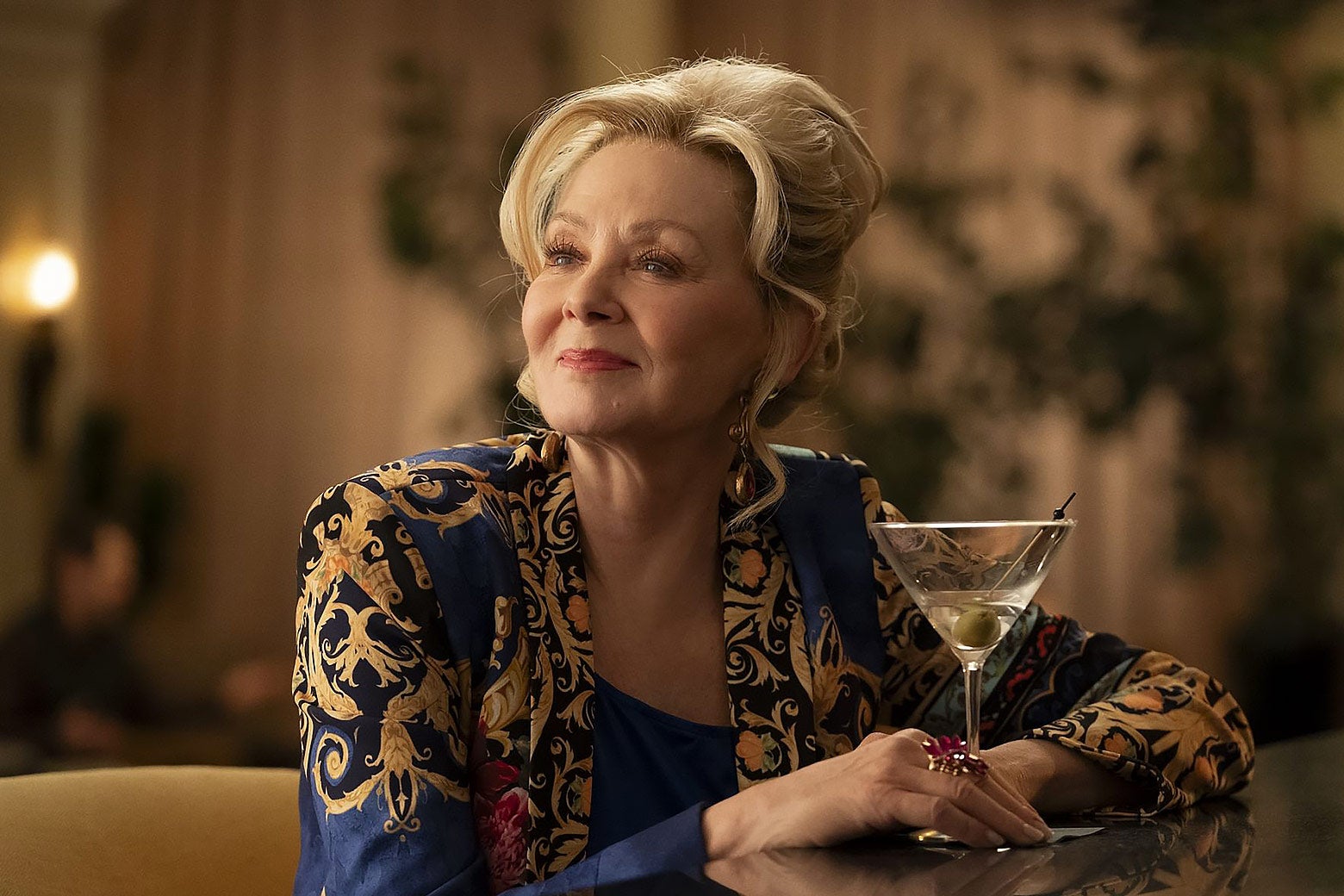
For most of its run, I’ve found that the most annoying part of the comedy-drama Hacks is how much endless debate there is about it. Are the characters good people or bad people? Is the show comedy-dominant or drama-dominant? Are the jokes within the jokes any good? Am I writing this as one of the people who helps generate said debate? Shut up! This is all to say that the best time to watch the show’s third season, which premiered in the spring, is now, unencumbered with everyone’s stupid feelings about all the unlikeable yet endlessly compelling people in this show. Third seasons are either a time for a show to offer the very best of its ensemble and of its writers’ room, or catastrophic, a descent into the show’s worst impulses. Thankfully, Hacks’ third season lands firmly in the first category. It’s gutting, and with one of the highest jokes-per-minute rates of all comedies on the air right now.
There’s no doubt that by Season 3, Hacks understands its characters perfectly, and knows how to make them sweat for our enjoyment. It’s a perfect program to watch with the woman in your life who you first hated, then begrudgingly loved, and now perhaps feel stuck with. —S.K.
Girls5eva
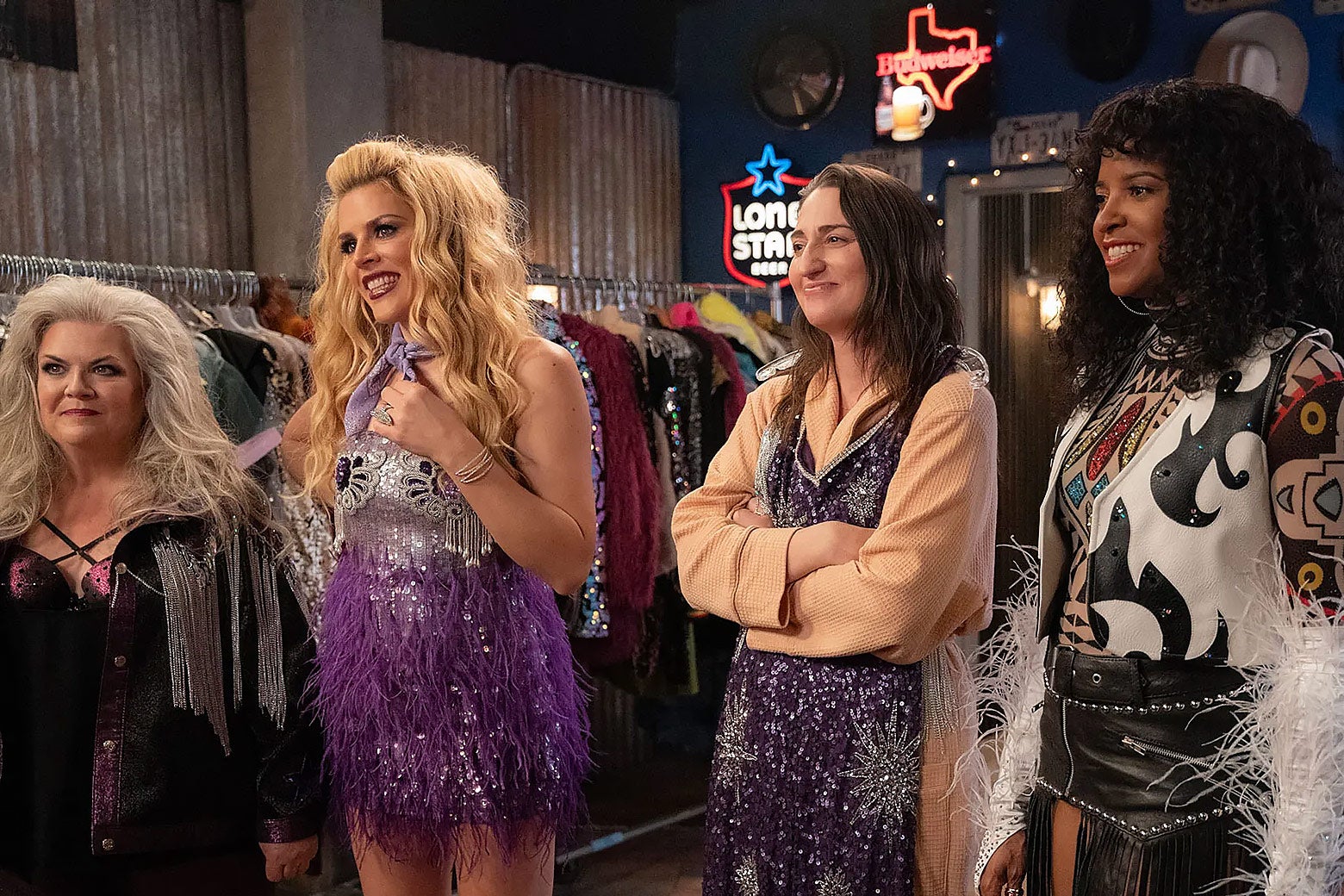
I don’t want to be a scold, but America, you messed up. You had your chance to turn Girls5eva, once Peacock’s best-kept secret, into one of those shows that blows up upon its entrance into the Netflix catalog, à la Suits and so many others, but you didn’t do it for some reason. I don’t get it. In an age when so many comedies aren’t funny, or really comedies at all, this Tina Fey–executive produced show about a reunited girl group is full of actual jokes. Some of these jokes come in the form of songs, sung by amazing performers like Renée Elise Goldsberry and Sara Bareilles, and it just feels insane to me that people aren’t more thankful for what a gift that is. In any case, the third season, while shorter than I would have liked at just six episodes, proved that Girls5eva has far from exhausted its premise, finding humor and poignancy in the group’s janky cross-country tour and rounding it out with appearances from excellent guest stars like John Early and Cat Cohen. Ideally, I’d like to see Girls5eva go on 5eva, but I would settle for at least a few more people appreciating how good it always was and still is. —H.S.
Streaming on Netflix.
Industry
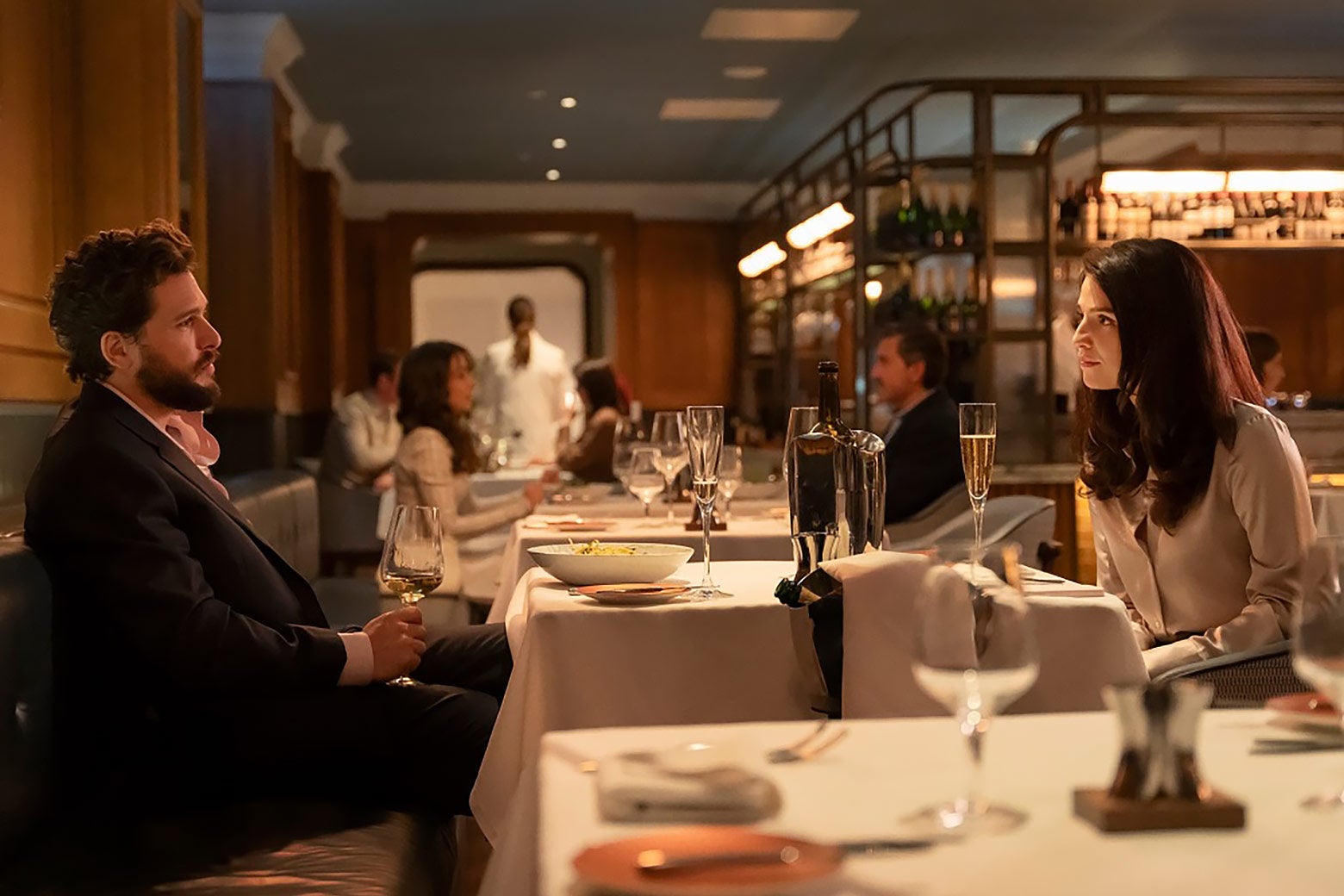
When Industry arrived on HBO in November 2020, it was released with minimal fanfare for a new drama on the network, relegated to Monday nights and mainly treated as a curiosity. Kicked off by a Lena Dunham–directed pilot with bad behavior and full-frontal nudity galore, it felt more like a smutty throwback to an earlier era of premium television than a prestige play. The Emmys wouldn’t even touch it—and still hasn’t.
Well, three seasons in, Mickey Down and Konrad Kay’s turbulent series about young London investment bankers and their professional (and extraprofessional) liaisons may not have slowed down on the sex or bad behavior, but it has also proven to be a twisty, thrilling, and at times stark show about the real consequences of these characters’ worlds. The third season finale should quiet any questions about whether this show is willing to go, uh, all the way with where all that bad behavior can lead. And in a series made up almost entirely of villains, the transformation of the resident poor little rich girl, Yasmin (Marisa Abela), into something like Industry’s most sympathetic character shows a creative edge more surprising than almost any other show on television. It’s a thrill that HBO is bringing back Industry for a fourth season, and in return, I hereby offer to knock on Emmy voters’ doors personally to lobby for a nomination for Ken Leung, pitch-perfect as Eric, a senior banker possibly more lost than the young finance kids he torments. It’s time to give Industry its due. —Jeffrey Bloomer
Streaming on Max.
The Sympathizer
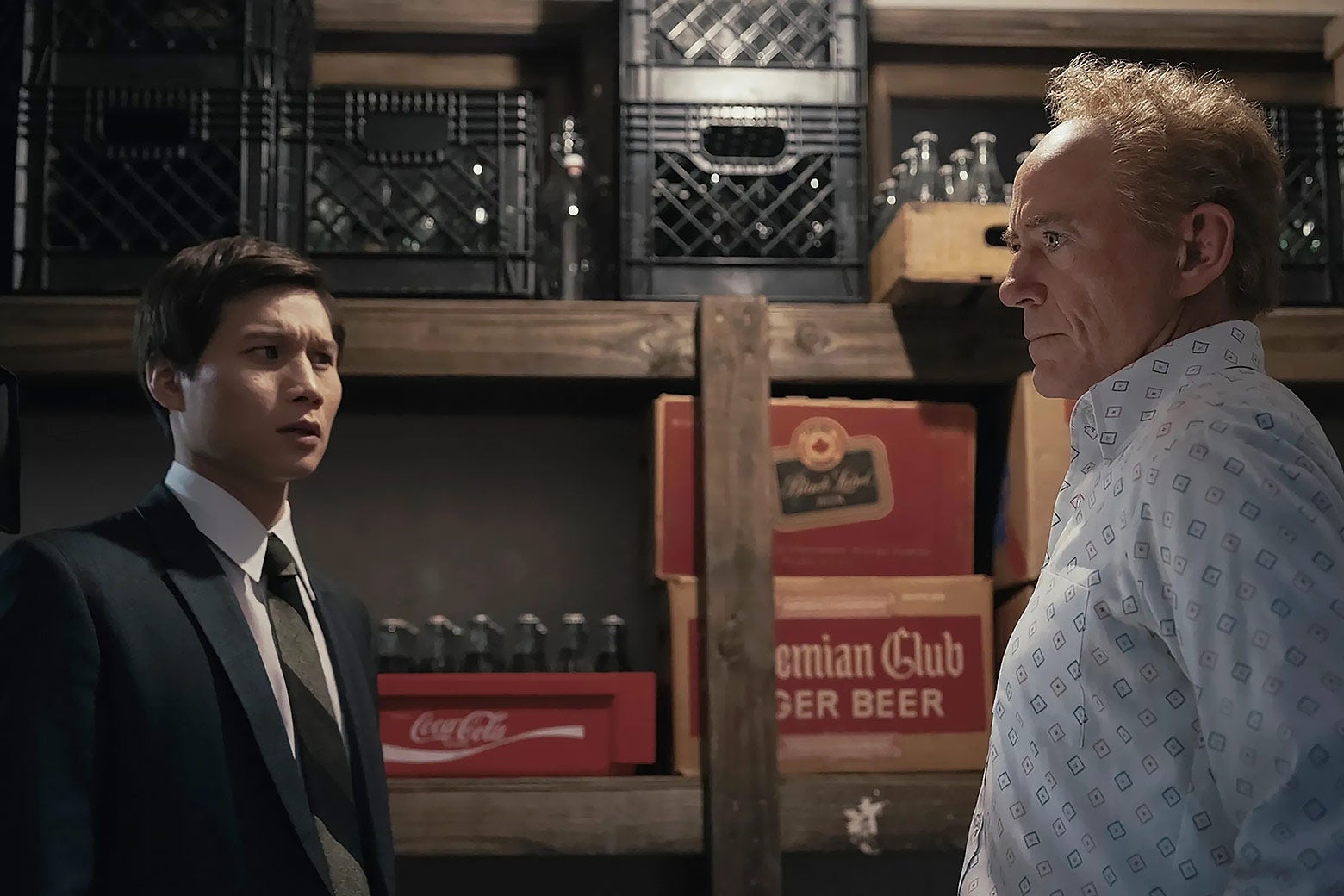
When Last Night director Don McKellar and Oldboy director Park Chan-wook teamed up to adapt Viet Thanh Nguyen’s Pulitzer Prize–winning novel The Sympathizer into a limited series, they had a lot of work cut out for them. Nguyen’s book, full of nonstop narration, not only wades through the layered politics that a communist mole who is planted among South Vietnamese officials in America must process, but also explores a number of more intangible themes, like race, identity, duality, and morality. The HBO show handled it with both grace and creativity, casting Robert Downey Jr. in multiple roles to showcase the collusion between America’s power players, making good use of Park’s classic editing style for visual interest, and, above all, successfully imparting the lesson that there’s no such thing as a reliable narrator. The Sympathizer aptly suggests that all of life’s scenarios can be viewed from more than two sides, and that what’s truly concrete is how we deal with all that is left behind. —N.G.
Streaming on Max.
Honorable Mentions
Ripley: Steve Zaillian’s black-and-white vision of Patricia Highsmith’s 1955 novel is a visually sumptuous study in contrasts: beauty and ugliness, allure and menace, tranquility and violence. I won’t be rushing to rewatch this anytime soon, but nor will I forget it. —Jenny G. Zhang
Streaming on Netflix.
Interview With the Vampire: After a critically acclaimed first season, AMC came back even stronger with the second installment of Interview With the Vampire, the adaptation of Anne Rice’s hit novel series of the same name. Season 2 busted onto the scene with stronger writing and even more incredible performances as it, thankfully, takes seriously what most would laugh at: a melodrama about two gay vampires whose toxic relationship evolves over time. —N.G.
Streaming on AMC+.
Bad Monkey: I was surprised how much I liked Bad Monkey, a mystery series starring Vince Vaughn as a disgraced detective in the sometimes-seedy Florida Keys. The show has a few great female characters, but watch out especially for Meredith Hagner as Eve, perfectly embodying a certain type of woman, perhaps native to Florida, whose sweet, pretty façade masks the steely resolve of a ruthless emotional terrorist—er, no spoilers, but it was one of my favorite performances of the year. —H.S.
Streaming on Apple TV+.
3 Body Problem: The Game of Thrones guys’ ambitious adaptation of Liu Cixin’s sci-fi novel may have been a little too glossy, a little too sanded down into something meant to appeal to an English-speaking audience, but damn if those (too-few) scenes we got of China during the Cultural Revolution weren’t some of the most electrifying moments on television this year. —J.G.Z.
Streaming on Netflix.
One Day: Not since Normal People have we gotten a miniseries-length love story as sweeping and engrossing as One Day, which introduces us to star-crossed university students Emma and Dex on the eve of their graduation in 1988 and checks in with them on that date once a year for the next two decades. Leads Leo Woodall and Ambika Mod are well cast, and the period details, including music, make for irresistible watching. I have a soft spot for the 2011 movie starring Anne Hathaway, but there’s no denying that the series’ 14 episodes let the audience really luxuriate in the romance. —H.S.
Streaming on Netflix.
Source link