
The best albums of 2024.
The best-of-2024 lists below no doubt would be somewhat different if events in early November had gone another way. It’s a reminder of how subjective and unfixed these evaluations inevitably are.
Back in the summer, we critics were buzzing about how revitalized pop felt this year. New-generation artists had surged. Energy filled the charts. A surfeit of candidates vied to become the song of the summer, after several years when finding a few felt like a stretch. The scripture of the prophet Kurt practically seemed fulfilled: Everyone was gay (at least the women). Gossip and controversy roiled vigorously; you could debate the value of the Kendrick–Drake beef, but not that it was an event. All that even before Charli XCX engineered total vibe fusion by tweeting, “kamala IS brat.”
Now many of us squint back at that time through a veil of disappointment and fear. Every kind of populism has gone sour again. Is that stink wafting through the zeitgeist the supplement-toxified testosterone of young Rogan-fan voters, or stale dry-ice clouds from the celebrity endorsers at Harris rallies?
Chart dynamism turned to near-stasis as those songs of summer stuck around through the fall with little to replace them. My Slate colleague Chris Molanphy’s series “Why Is This Song No. 1?” went months without a new installment, as “A Bar Song (Tipsy)” dominated that spot for months on end. The rest of the top 10 likewise has been stuck on shuffle, except when new albums debuted by artists with a very particular mix of mass and cult appeal. Those would be Tyler, the Creator—whose Chromakopia just barely missed my list—and Kendrick Lamar, whose surprise-released GNX hasn’t won me over yet but is currently making him just the fourth artist ever to occupy the whole Billboard top five simultaneously.
Given all that, my lists reveal a step back from broad pop-forwardness to a craving for more intense catharsis or more intimate contact. The order is always a shell game; ranking a collection of perfect pop confections relative to an hourlong jazz composition is less apples-vs.-oranges and more butterscotch sundaes–vs.–Antikythera mechanisms (you decide which is which). But now I felt particularly inclined to highlight the lesser-knowns, especially given the plethora of lists that get published these days as soon as the calendar hits December. Many of the runners-up here easily could have been first tier. My top dozen simply felt a touch more personal.
After that, instead of a top singles list, I’ve put together a set of “singularities”—some songs but also other musical moments and mutations that summon the essence of 2024, a year divided against itself.
The Top 12 Albums (in alphabetical order)
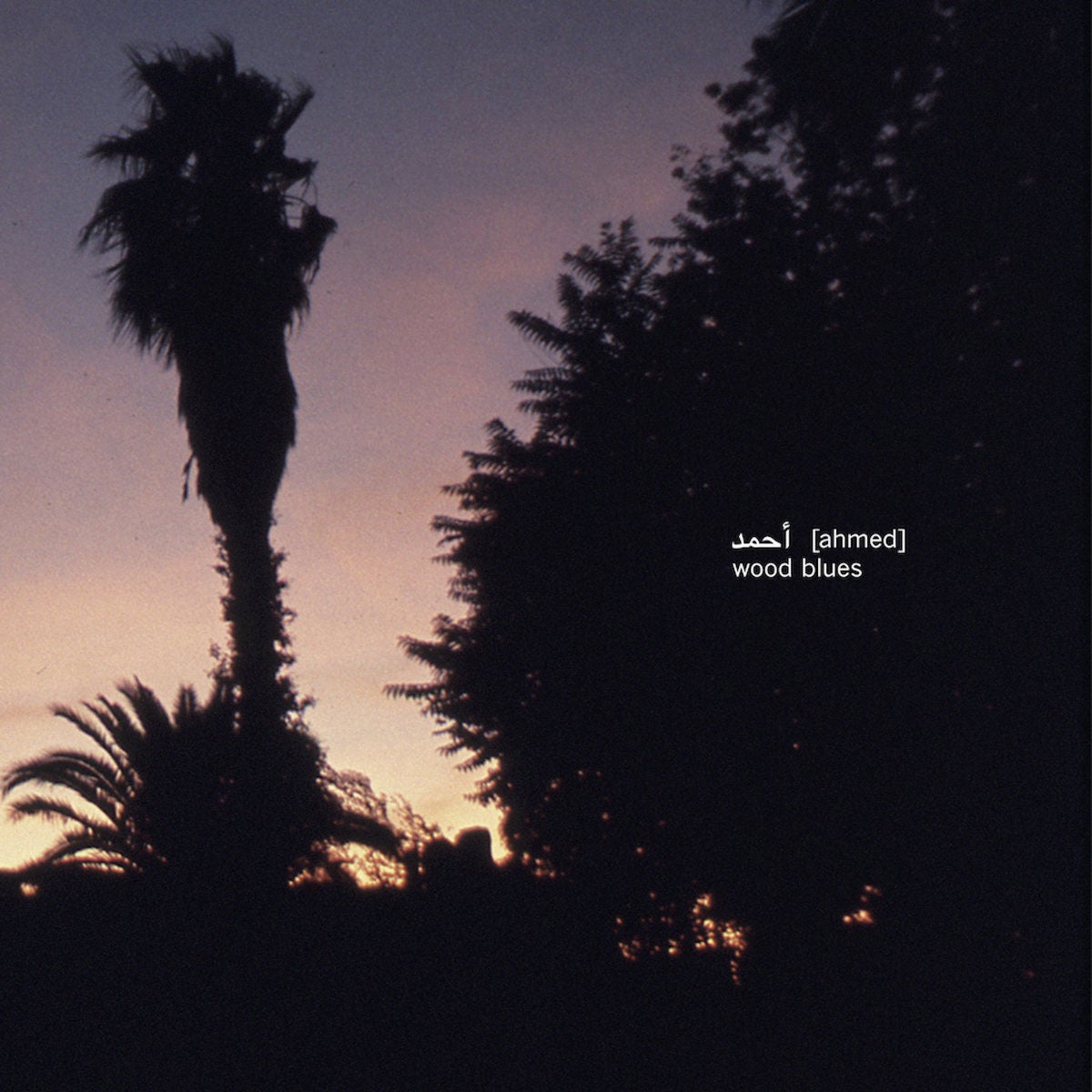
أحمد [Ahmed], Wood Blues
Based in the U.K., this is something of a pan-European supergroup (Pat Thomas on piano, Seymour Wright on sax, Joel Grip on bass, and Antonin Gerbal on drums). It was formed to pay tribute to the bass and oud player Ahmed Abdul-Malik, a figure on the 1950s New York bebop scene who reinvented himself in the 1960s to pursue Arabic-jazz hybrids of his own invention. At each performance, أحمد [Ahmed] selects a single Abdul-Malik composition to explore live, under the rubric, “No discussion. No plan. No solos.” In this recording of a 2022 show in Glasgow, the result is a 58-minute panorama of, perhaps, an oil field going up in flames, including close-ups of the fleeing laborers, crowds of protesters, conspiracy theories running amok, and the angel of history overhead, flying in reverse. It’s a lot to absorb—the group also released a five-disc set of other 2022 performances, called Giant Beauty, this year, but I have not tackled that yet. (Nota bene: I might have otherwise included even more jazz records in this list, but my Slate colleague Fred Kaplan covered many of the best in his own tally this week.)
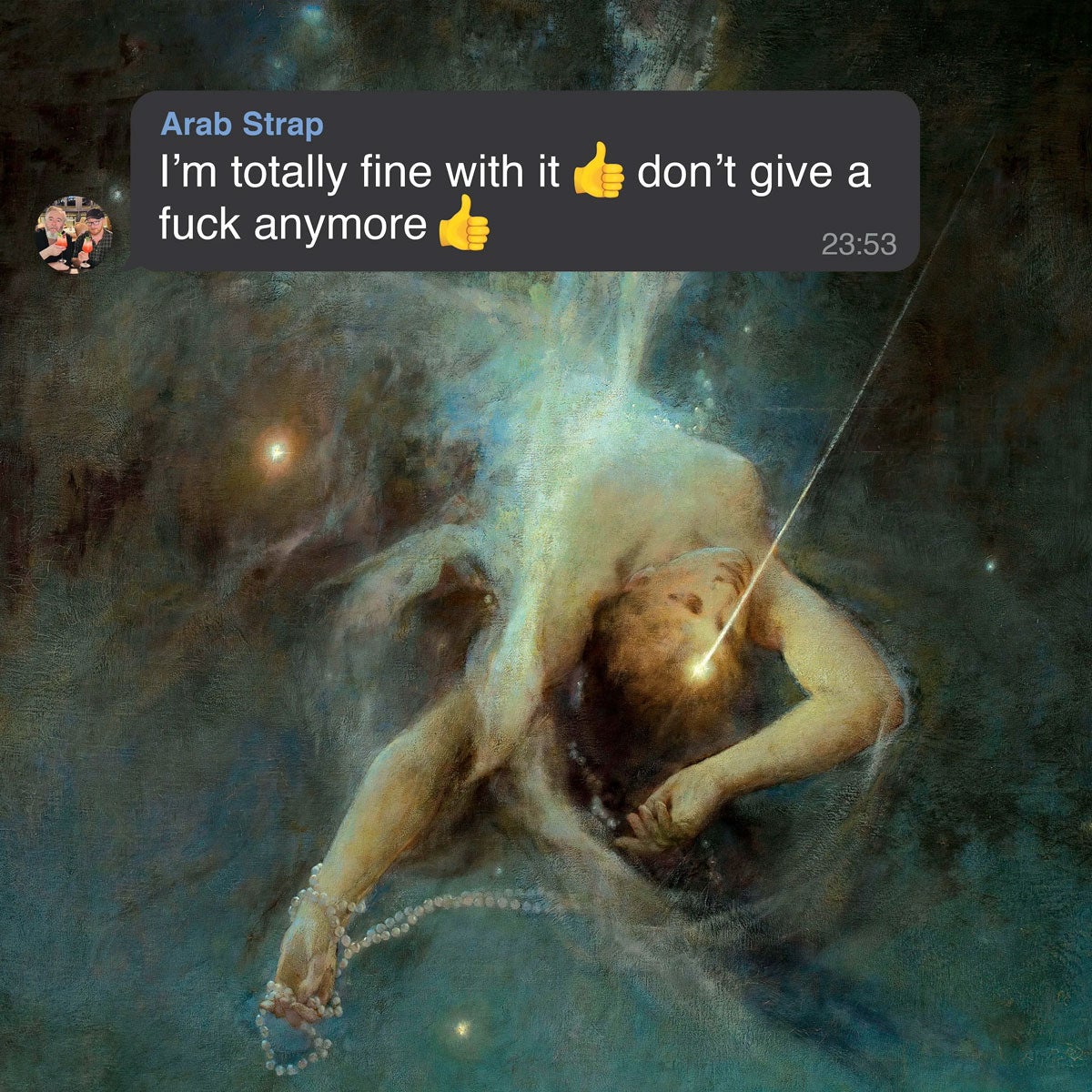
Arab Strap, I’m Totally Fine With It 👍 Don’t Give a Fuck Anymore 👍
The idea of the “lockdown album” feels hackneyed by now. But I hadn’t realized how much I needed to hear one that deals with how far out of joint our internal and external worlds have remained since that great disruption. The Scottish duo Arab Strap, who showed off their sardonically drawling handling of the sordid facts of life from the mid-1990s to the mid-2000s, prove to be just the men for the job on their second studio album since reuniting in 2016. Grim scenarios of social disconnection swell to epic synthesized scale, a little like on this year’s Cure album, but with more variety. It pulls off the best trick of deeply depressing music—by telling truths the listener hasn’t known how to talk about or acknowledge, offering improbable comfort.
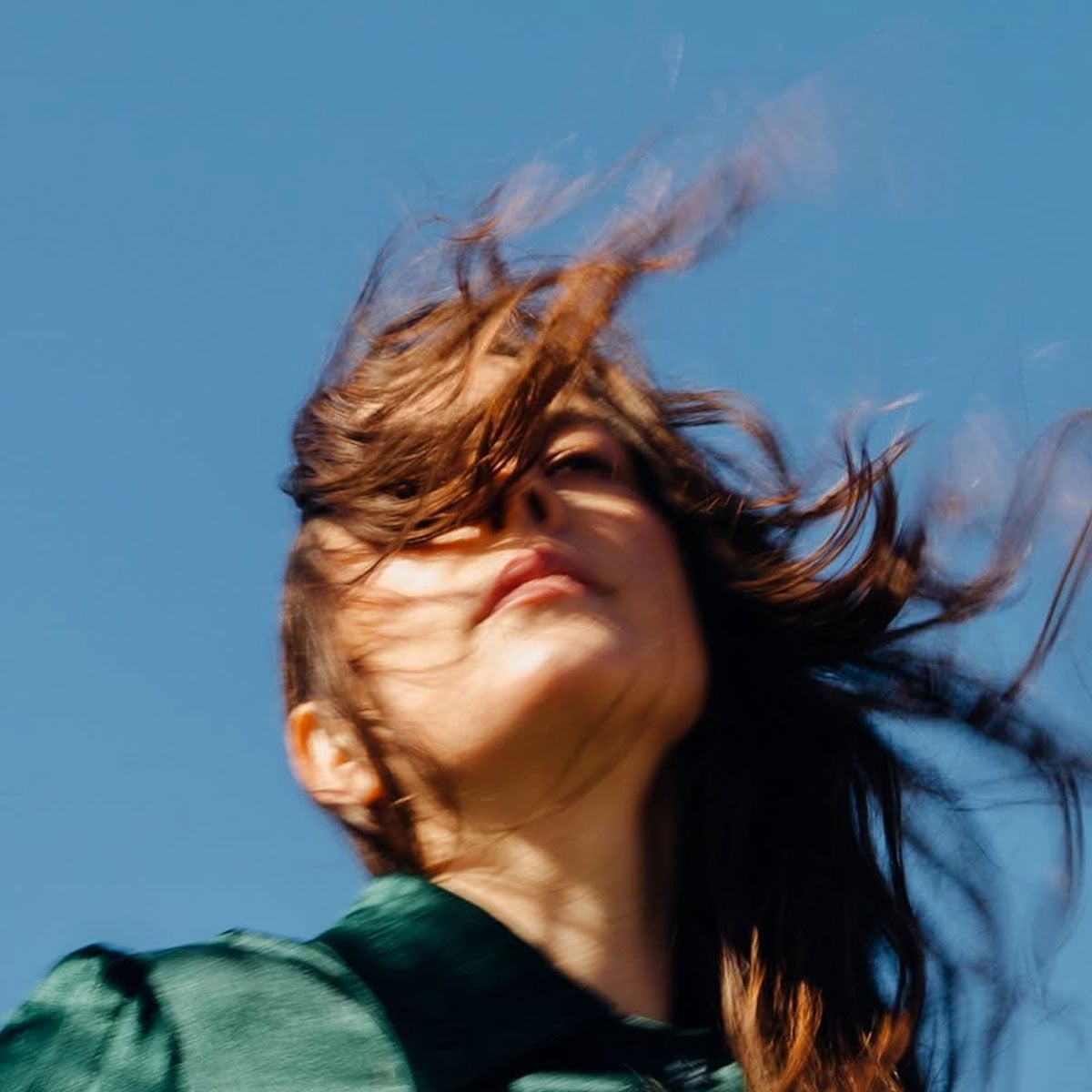
Madi Diaz, Weird Faith
Singer-songwriter Madi Diaz caught a weird break in 2021 when, after a dozen-plus years gigging around New York and Nashville, she got a call to open some dates for Harry Styles, then to join his touring band. I didn’t know this when I saw her at a Toronto club earlier this year and wondered why a horde of teenagers was clustered at the front screaming for every song. Her good luck becomes ours in that it likely means she’ll be able to keep putting out collections of songs like this. Her style doesn’t have much in common with Styles—Kacey Musgraves’ presence on one track here is a better clue (though it’s much sharper than Musgraves’ own sadly fuzzy-minded album this year). But on this album about the hopeful insecurities of grown-up new love, and a similarly jumpy relationship to religion and family and fate (hear “God Person”), her ability to make quizzical introspection so invitingly musical is good cause to jump up and scream.
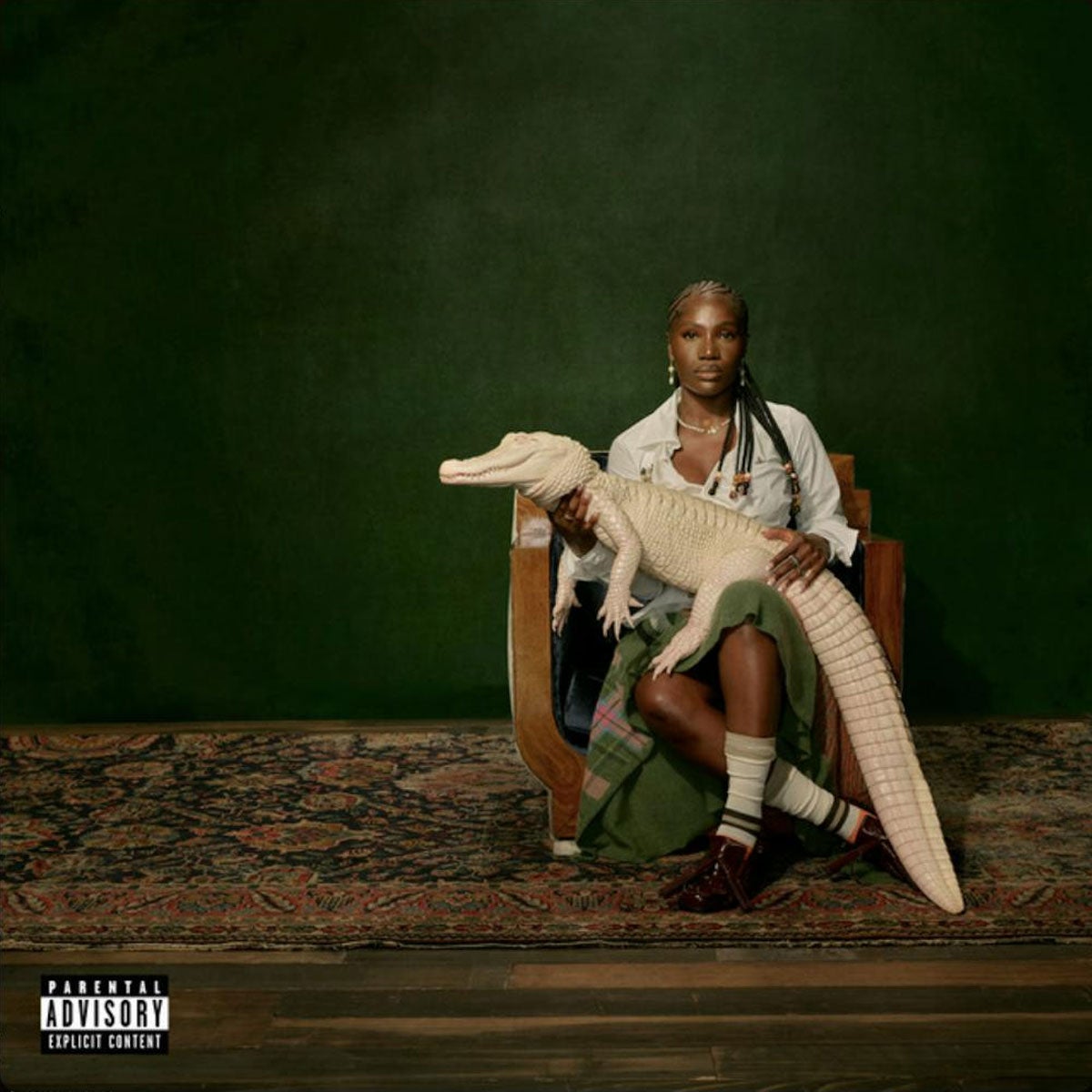
Doechii, Alligator Bites Never Heal
Officially it’s a mixtape, but to my ears, Doechii’s Alligator Bites Never Heal—the title a nod to her Florida roots and to the theme of unresolved trauma—is the freshest rap album of the year, with an internal coherence that lodges it as a whole in the memory. I’m often down on the prevalence of therapy-speak in 2020s music, but the way that here it’s bounced off dirty-mouthed humor and classic hip-hop hungry ambition (as well as side-eye to narrow industry expectations of women in rap) makes it feel like part of a fully rounded self-portrait whose pace carries me through its 47 minutes in what feels like half the time.
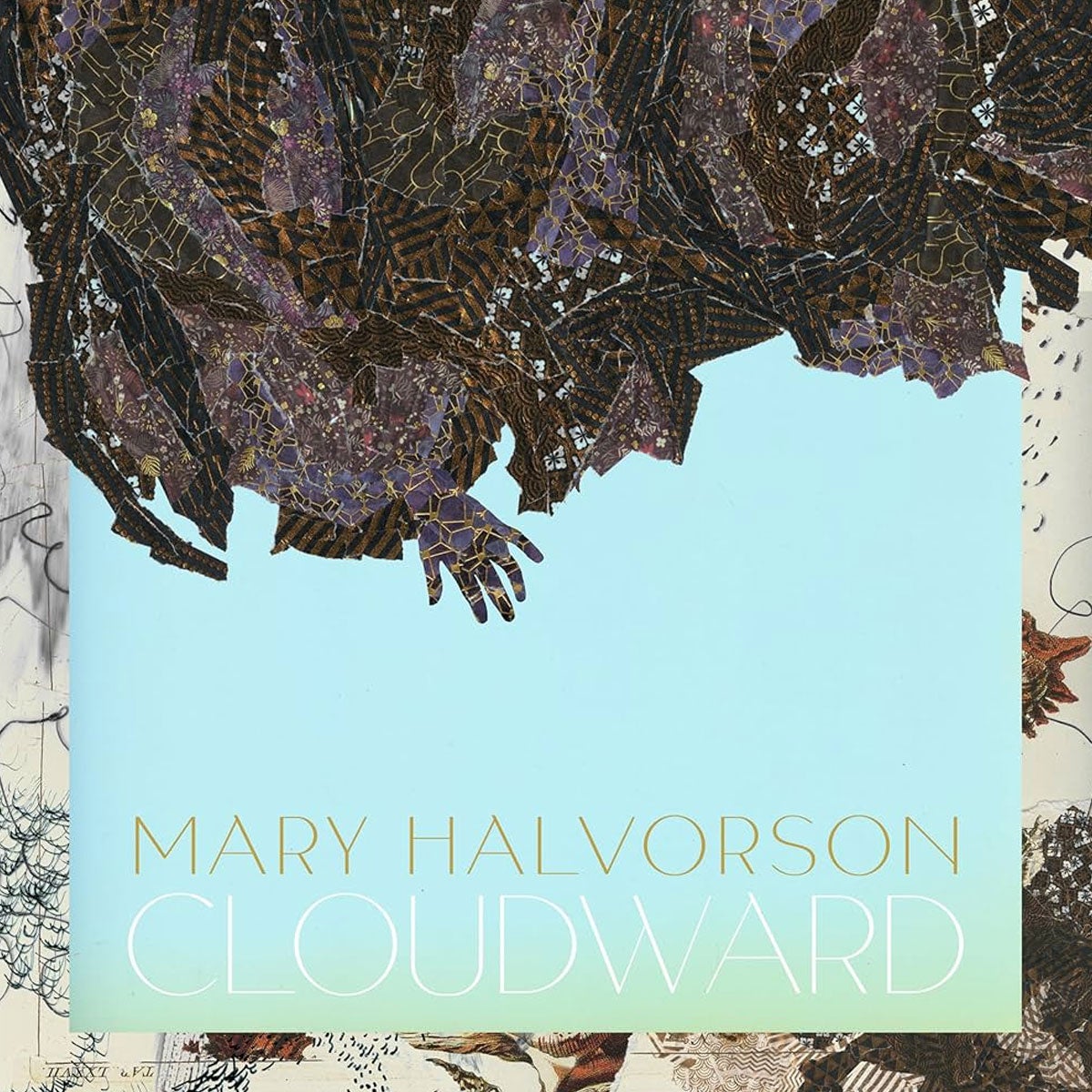
Mary Halvorson, Cloudward
Surely by now we can just acknowledge guitarist-composer Mary Halvorson, now in her mid-40s, as one of the giants of contemporary jazz-or-whatever-you-call-it. As the title suggests, her pieces can be like cloud collages turning slowly for the listener’s contemplation. But then in an instant they can also be like mansions collapsing down the side of a hill, raindrops firing at you from octopus-arm guns, surreal parables or stern admonitions. The six-person ensemble here (seven when assisted by Laurie Anderson on violin on “Incarnadine”) comes across as tight and disciplined in its unpredictable pursuits. Besides Halvorson’s guitar, it features trumpet and trombone and rhythm section, plus the vibraphone of Patricia Brennan, who herself put out another of the best jazz records of 2024, called Breaking Stretch. And you should hear two other fantastic albums with Halvorson this year, the Tomeka Reid Quartet’s 3+3, and Wingbeats by the trio Thumbscrew, both also featuring Cloudward drummer Tomas Fujiwara.
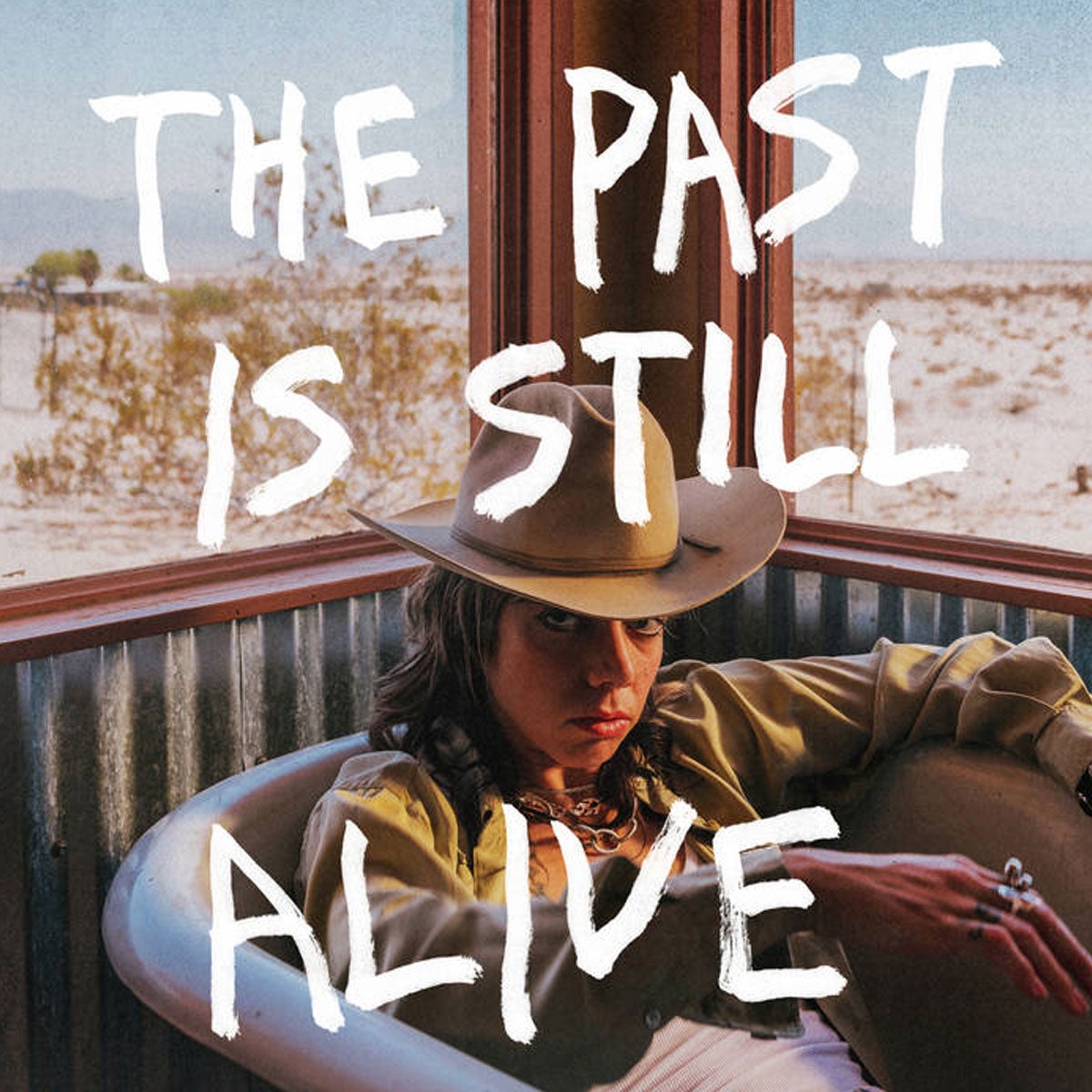
Hurray for the Riff Raff, The Past Is Still Alive
I fell for this album by this New Orleans ensemble, led since 2007 by nonbinary singer-songwriter Alynda Segarra, harder than I ever have for its previous ones. I might have to call it my favorite this year. The Past Is Still Alive is a memory book—created in the wake of Segarra’s father’s death—of Segarra’s dislocated and underprotected youth, the people (often lost) they experienced those ramblings with, and the America in which it all took place, as geographically ravishing as it can be socially unforgiving. But unlike some of the band’s previous records, it’s sparing in its didactic or scolding moments (so they land all the harder). It’s suffused with love, grieving, grievance, and gratitude in dynamic balance. Its folk and country-rock structures still feel roomy but not so rickety. Audition “Colossus of Roads,” for instance, and see if any doubts don’t quickly collapse.
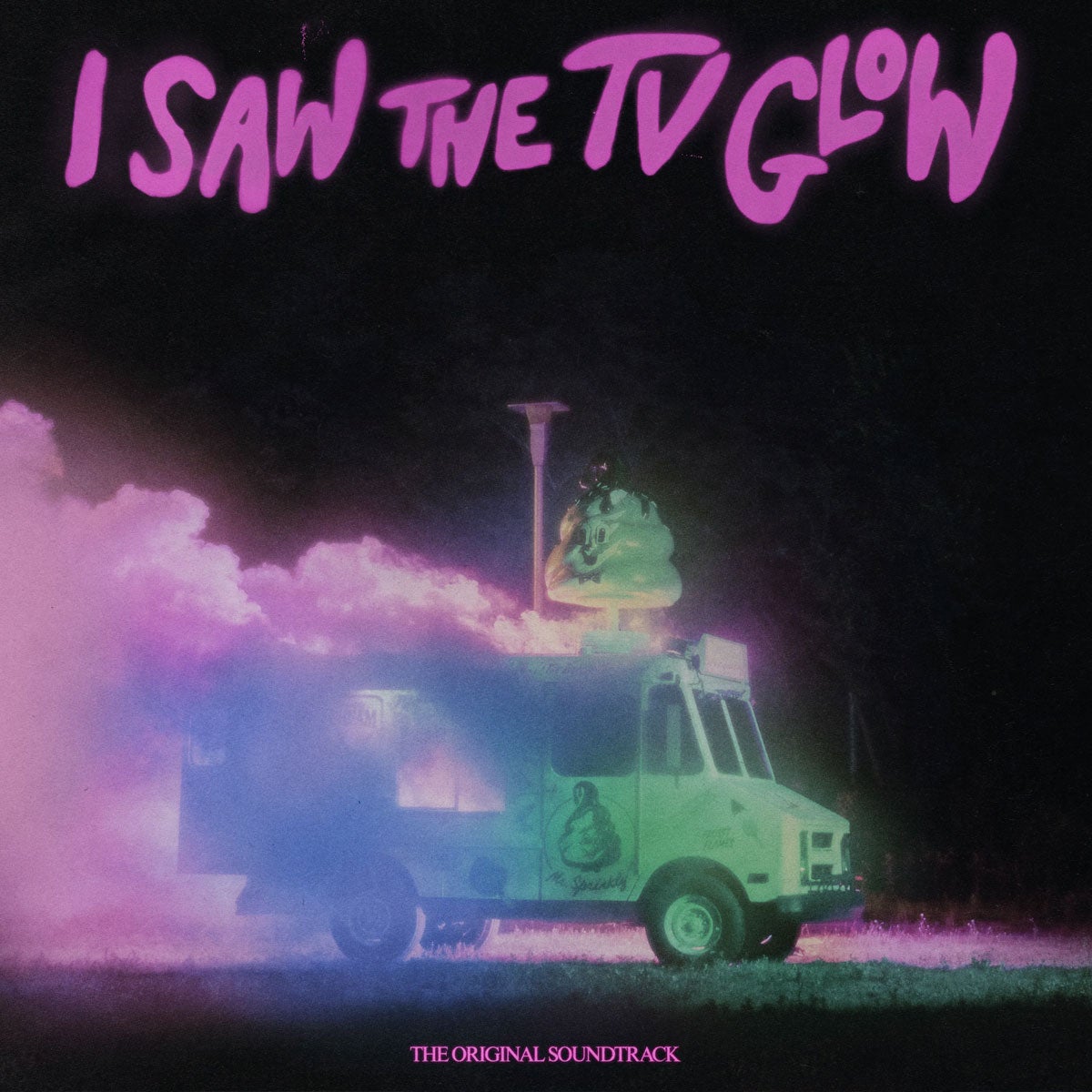
Various artists, I Saw the TV Glow (original soundtrack)
The record industry has been trying hard to sell us on Twisters as the movie soundtrack album of the year, and sure, it’s got some Nashville bangers among its overstuffed 29 tracks. But it can’t compete with the album for Jane Schoenbrun’s oddball trans allegory and horror-fantasy period piece. Its 15 songs fulfill the director’s dream of simulating a great lost 1990s indie mixtape. But they also convene a summit of some of the great queer/weird-kid music heroes of the 2020s. As a Torontonian, I might have been a little suckered by the fact that it begins with Yeule’s cover of the greatest-ever Broken Social Scene cut, “Anthems for a Seventeen Year-Old Girl”—and again, as a Phoebe Bridgers devotee, by it ending with her only official 2024 release, a collaboration with her old band Sloppy Jane (the band in the club in the film) on “Claw Machine.” But then there’s more from Frances Quinlan (Hop Along), Caroline Polachek, Florist, King Woman, Jay Som, L’Rain, and the Weather Station, music that should serve to remind you not to neglect to dig your best friend, or alter ego, out of their grave, and that teen movie soundtrack albums can be the greatest thing.
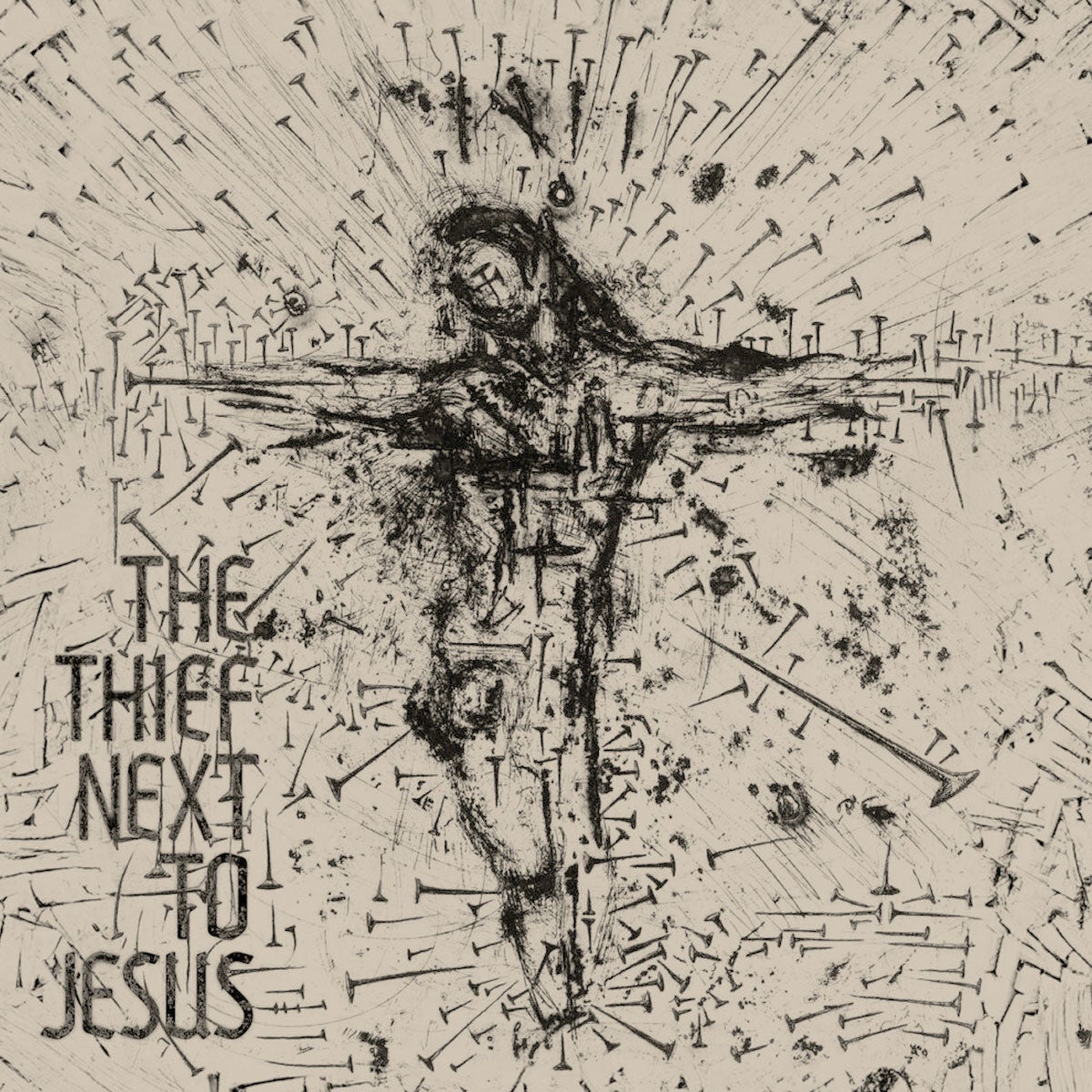
Ka, The Thief Next to Jesus
Of all the people in and around music who died in 2024, one of the saddest losses was that of Kaseem Ryan, the fiercely independent rapper known as Ka, at the age of 52. Having given up dreams of stardom in his youth, he worked as a respected firefighting captain by day. In his off time, he wrote, produced, performed, released, and marketed his own music, nine solo albums over the past 16 years—most of them with central conceptual focuses, as on this one, which explores and critiques the relationship between Black American communities and Christianity. In a larger sense, all of his albums were about struggle, survival, and loss, grounded in hard memories of coming up in Brownsville, Brooklyn (as here, for instance, on “Collection Plate”). It’s not easy listening, often downbeat and severe, but rich in story, sound, and emotion. I confess I didn’t give his music enough time before his death, despite the urgings of my Slate colleague Jody Rosen, who was one of Ka’s greatest advocates over recent years, and whose beautiful obituary of the man I’ll recommend as required reading.
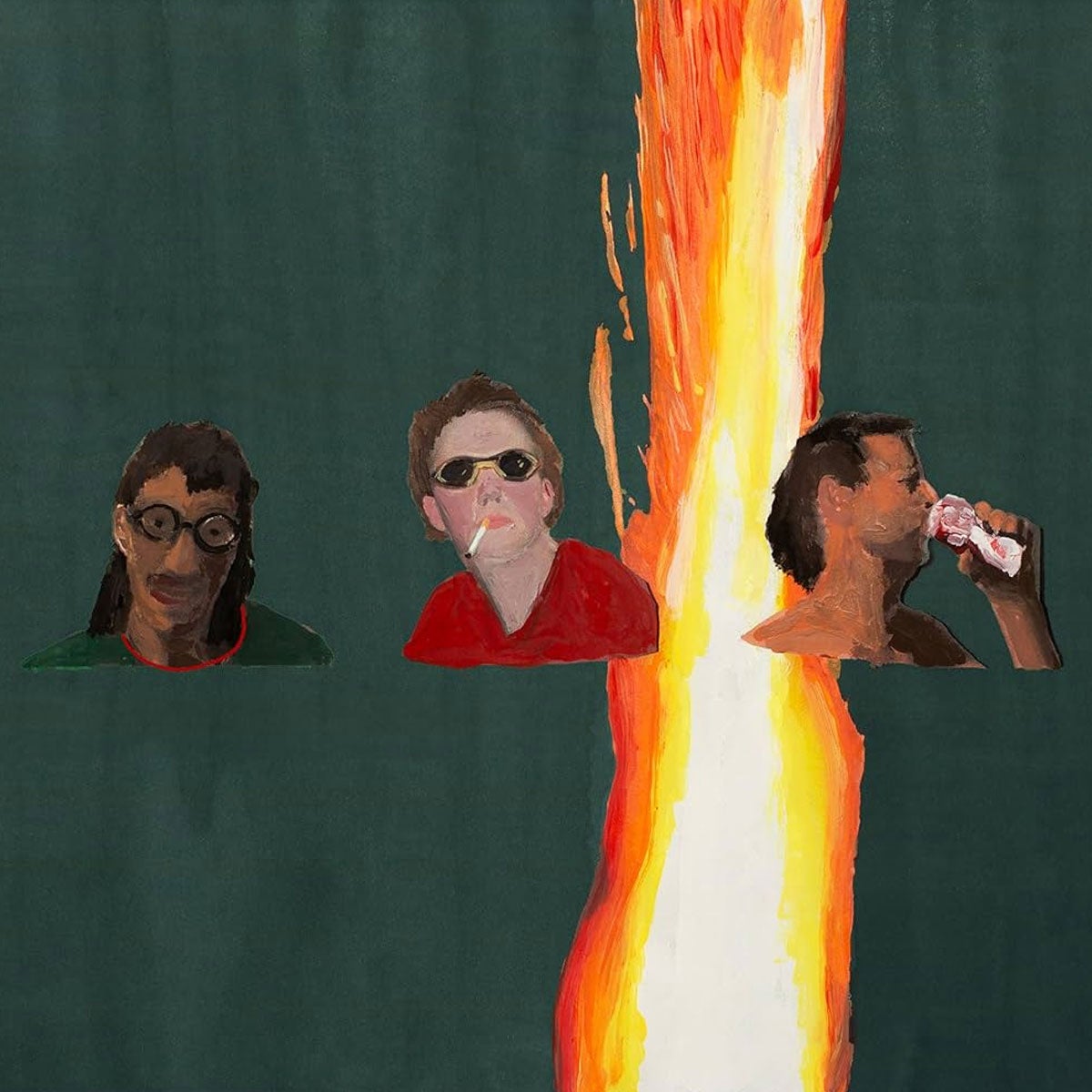
MJ Lenderman, Manning Fireworks
Manning Fireworks is the one album among my top dozen that will show up on pretty much every other list you’ll see this year. It’s also an album I listened to more than almost anything else in 2024, so I couldn’t pass it over. For one thing, the North Carolina singer-songwriter and guitarist carries into the mainstream more than ever before the influence of the late poet and songwriter David Berman (Silver Jews, Purple Mountains), the subject of the book I’ve been working on. MJ Lenderman shares Berman’s alt-country style and his penchant for juxtaposing sardonic one-liners with aching lyricism and other verbal leaps—like Lenderman’s much-quoted reference to his “houseboat docked at the Himbo Dome” on the perfect “Wristwatch,” or his “Bark at the Moon” counsel “Don’t move to New York City, babe/ It’s gonna change the way you dress.” But he can say equally much with a volley of string-bending Southern-rock guitar notes. At only 25, he’s already honed those skills through several previous albums, but here is where it all clicks into place. A recurring theme is symptoms of masculine dysfunction, among the older generation (as on “She’s Leaving You”) but perhaps also among the Joe Rogan and Andrew Tate acolytes who are his peers. So another level it operates on might be undercover journalism—or else displaced confession.
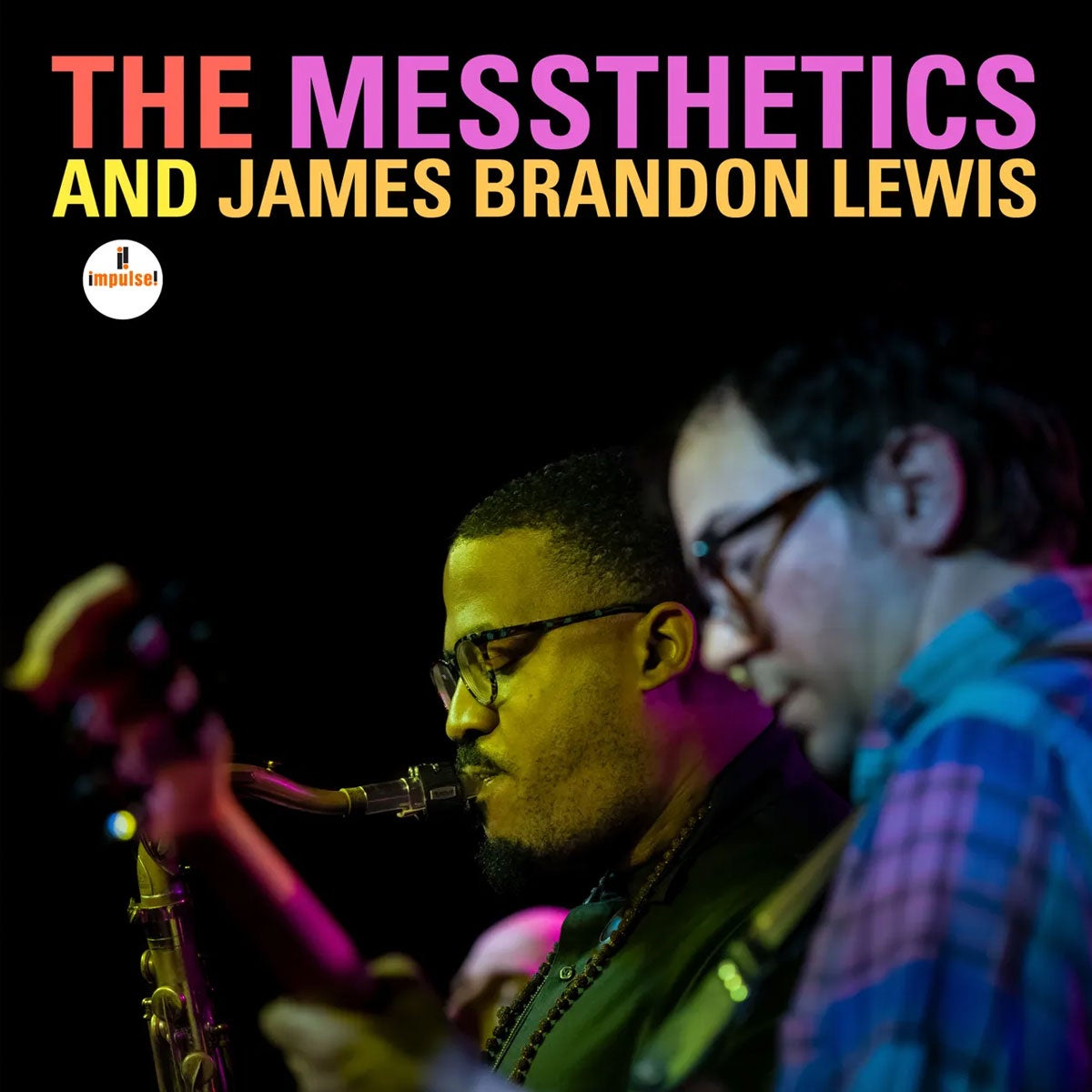
The Messthetics and James Brandon Lewis, The Messthetics and James Brandon Lewis
This project feels like something made expressly for me, or that I just imagined in a daydream: the former rhythm section of the great (arguably greatest) 1980s and 1990s post-hardcore band Fugazi, in collaboration with one of today’s most compelling younger New York jazz creators and players, James Brandon Lewis (who had two albums on my 2023 list). I wasn’t so taken with what bassist Joe Lally and drummer Brendan Canty, together with guitarist Anthony Pirog, did on previous Messthetics releases, which drifted a bit too far toward prog rock. But Lewis’ presence on sax seems to ease their anxiety about filling in available space, which he’s able to do with more strategy and sensuality. The outcome on tracks like “Emergence” nods to decades-past iterations of jazz-rock and jazz-punk fusions while sounding completely 2024. Also don’t overlook Lewis’ quartet release this year, Transfiguration, with pianist Aruán Ortiz and another great rhythm section, Brad Jones (bass) and Chad Taylor (drums).
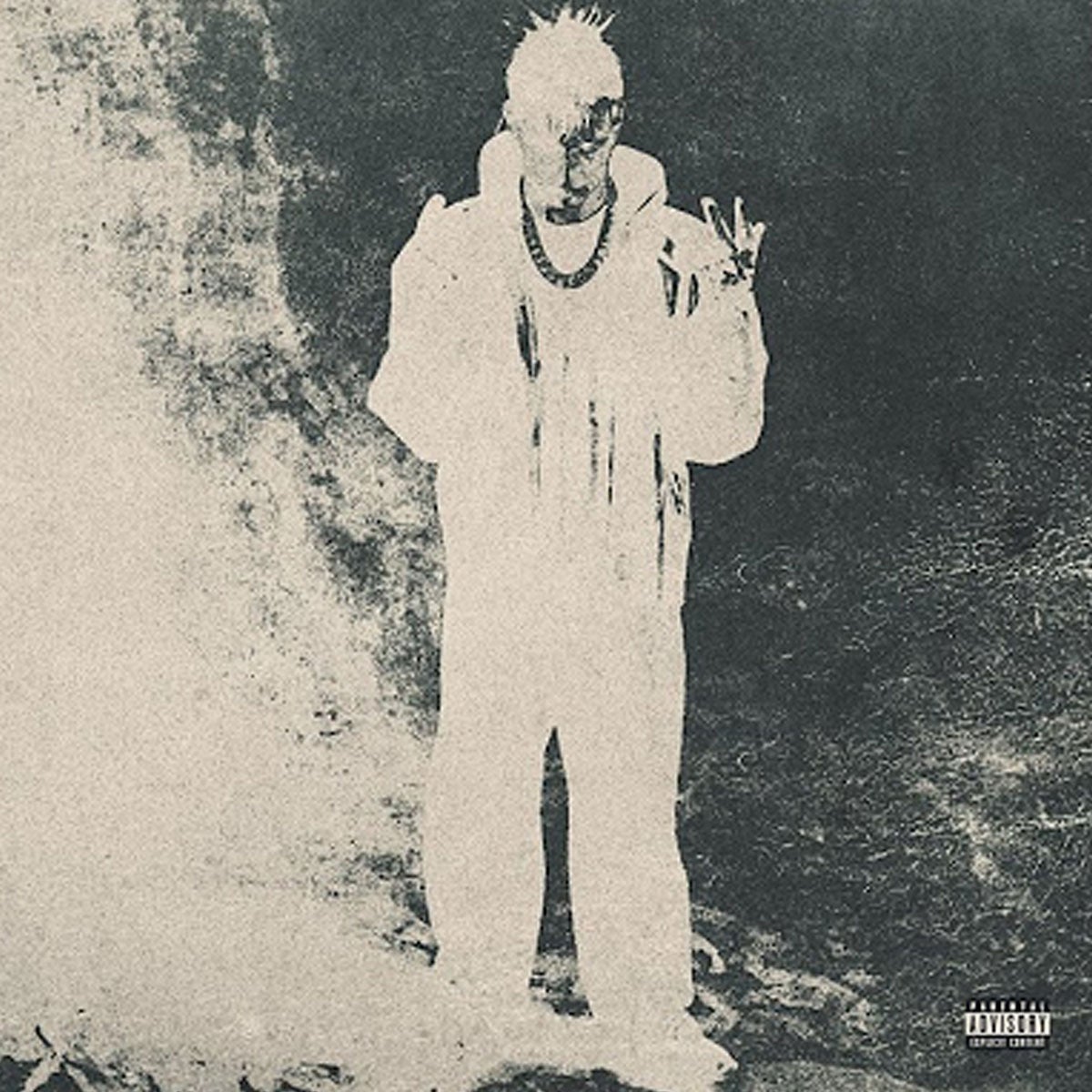
Peso Pluma, Éxodo
For all the talk about Brat summer, “Espresso” fever, and everybody going country, there was another record this summer racking up hundreds of millions of streams and reaching near the top of the charts that seldom entered the conversation: Peso Pluma’s double album Éxodo. It’s rooted in regional Mexican music and corrido, but ranging far beyond that, with one disc full of traditional brass and strings and the other loaded with trap beats and guests such as Cardi B, Quavo, and Rich the Kid. My Spanish is practically nonexistent (I’m Canadian; we took French), so there are limits to what I can analyze here—certainly not the debate over the glorification of drug-cartel activity in the subgenre of narcocorridos, except to say it doesn’t seem so far removed from the lyrical fixations of hip-hop icons such as Pusha T. What I do know is that almost anywhere I push play on Éxodo, whether the more folkloric “Rompe La Dompe” or the ultramodern “Bellakeo” or anywhere in between, almost everything sounds like a hit, and I don’t want it to stop.
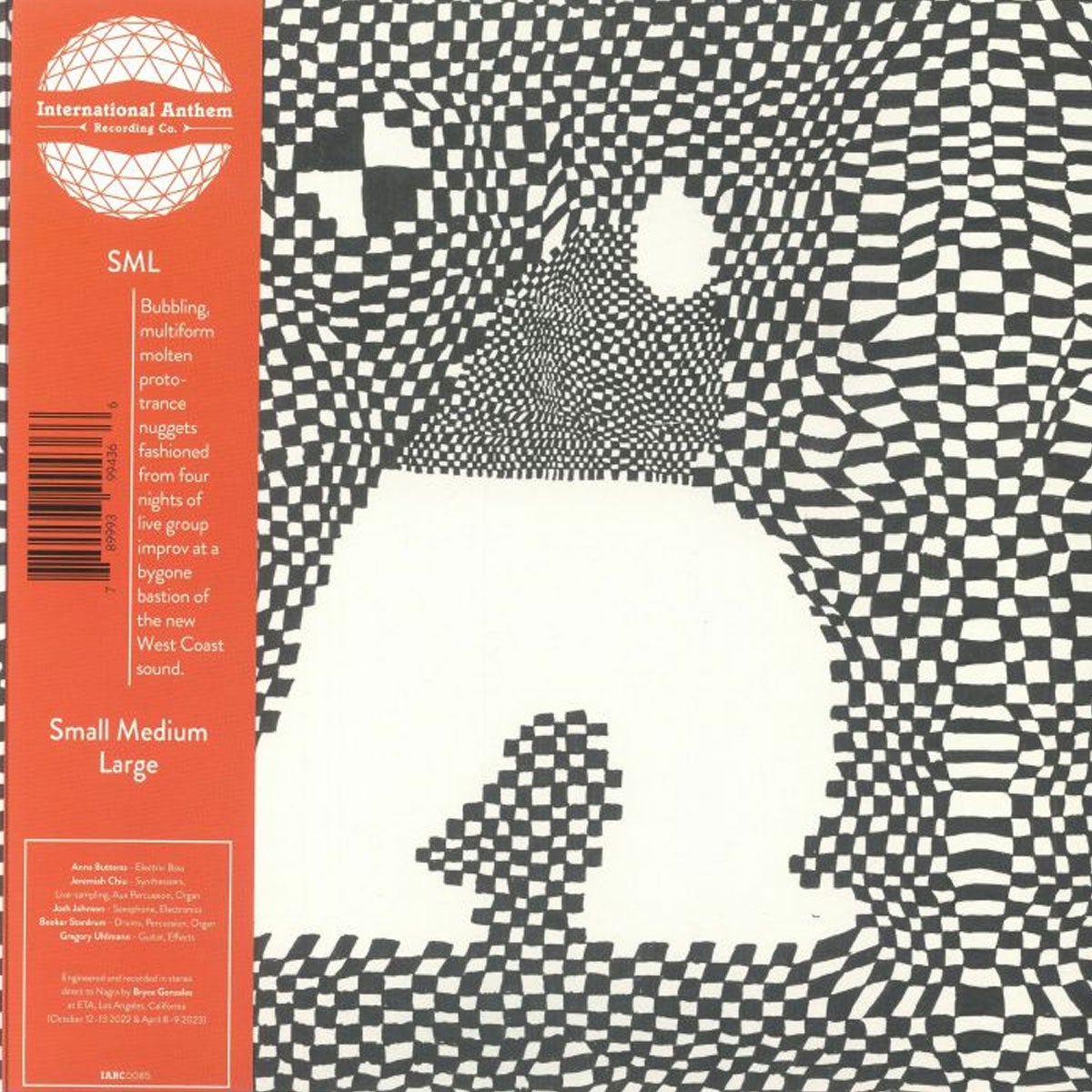
SML, Small Medium Large
Sounding at various points like a contemporary electronic dance record, On the Corner–style 1970s fusion, or 1980s New York mutant disco like Liquid Liquid and ESG, the West Coast quintet SML’s first album is constructed from live improvisations transformed through postproduction editing and processing. The group has its roots in Jeff Parker’s Los Angeles jazz venue ETA, which closed last year; bassist Anna Butterss and saxophonist Josh Johnson are also both on Parker’s superlative double album this year, The Way Out of Easy. But the shimmery, pulsing sound of SML, with its synthesizers, guitars, percussion, and loops, has the potential to entice a listenership not usually drawn to free-jazz types, perhaps the way Chicago’s Tortoise did in the 1990s—with the squared-off anti-funk of “Industry,” for instance, or the near-ambient pit-a-pat of “Window Sill Song.” It’s a sound for which I, personally, am almost always in the mood, or if not, it will take me there.
Plus 20 More (alphabetical)
Adeem the Artist, Anniversary (hear “One Night Stand”)
Arooj Aftab, Night Reign (hear “Raat Ki Rani”)
Sabrina Carpenter, Short n’ Sweet (see below)
Jennifer Castle, Camelot (hear “Lucky #8”)
Charli XCX, Brat and Brat and It’s Completely Different but Also Still Brat (see below)
Clairo, Charm (hear “Echo”)
Caroline Davis and Wendy Eisenberg, Accept When (hear “Accept When”)
Mabe Fratti, Sentir Que No Sabes (hear “Enfrente”)
Jake Xerxes Fussell, When I’m Called (hear “Andy”)
Gastr del Sol, We Have So Many Titles (archival) (hear “The Seasons Reverse”)
The Hard Quartet, The Hard Quartet (hear “Hey”)
Cassandra Jenkins, My Light, My Destroyer (hear “Clams Casino”)
Mach-Hommy, #Richaxxhaitian (hear “Sur le pont d’Avignon”)
Mdou Moctar, Funeral for Justice (hear “Funeral for Justice”)
New Starts, More Break-Up Songs (hear “Asbestos Roof”)
Nia Archives, Silence Is Loud (hear “Unfinished Business”)
Carly Pearce, Hummingbird (hear “Hummingbird”)
Mary Timony, Untame the Tiger (hear “No Thirds”)
Waxahatchee, Tigers Blood (hear “Right Back to It, ft. MJ Lenderman”)
Wussy, Cincinnati Ohio (hear “Inhaler”)
Singularities: Songs, Moments, Happenings
1. Beyoncé, “Daughter”
As on Renaissance, Beyoncé was presenting a whole musicological thesis on Cowboy Carter, but this time it felt as if it sprawled a bit out of control, maybe because she had less specifically to say about country music than she first proposed—a lot of the best stuff had more to do with rock ’n’ roll. (See my review.) The lowest point was a rewrite of “Jolene” that turned Dolly Parton’s classic into a routine power flex. But immediately after that came the wild twist of “Daughter,” in which Beyoncé performed part of the operatic aria “Caro Mio Ben” (showing off a part of her training many of us weren’t aware of) and matched it with a narrative that seemed to compensate for the absence she’d just hollowed out of “Jolene” by becoming more potentially revealing about her own family and emotional makeup than almost anything she’s ever sung.
2. Shaboozey, “A Bar Song (Tipsy)”
When Shaboozey appeared as a guest on Cowboy Carter, I had never heard of him, and in what felt like about 30 seconds later, he had the biggest hit of the year (which I still really like)—and also seemed in some ways to be more successful at tilting the racial makeup of the country charts. My colleague Chris Molanphy has a great piece this week about what’s going on with that. Only part of it is gender, although when it comes to crossover, it was also conspicuous how much more casually the white dude Post Malone was able to mosey across the genre line.
3. Sabrina Carpenter, “Espresso”
I started out the summer resistant to “Espresso” as a culture-swallowing hit—it sounded too much like other songs, even whole unrecognized genres of song. But with subsequent singles and then her album, it became clearer that Carpenter was more than a cutesy white appropriator, and actually had a whole consistent, witty, dirty-minded aesthetic behind her appeal. So I learned to stop worrying and love “Espresso,” which also refreshed a vital lesson for songwriters and critics alike, that with pop lyrics it is often all the better when they don’t make logical or grammatical sense.
4. Charli XCX, “Girl, So Confusing featuring Lorde”
The saga of Brat, which propelled perpetual alternative-pop second-stringer Charli to pop-culture prom queen, has been perhaps too much told. But especially post-Kendrick-and-Drake, the most heartwarming part was the switcheroo between versions one and two of “Girl, So Confusing,” the transition from purported catfight fodder to a celebration of empathy and friendship across mutual awkwardness. I preferred Charli and Lorde’s version to Galinda and Elphaba’s in Wicked, although both involved prominent tints of green.
5. Kendrick Lamar, “Not Like Us”
All other details of the beef aside, this incredibly catchy anthem, more than any hit in recent memory, boggles my mind on a regular basis that a big hit is allowed to say the things it says. You can’t forget where you were when you first heard it. Like nothing since “Pumped Up Kicks” or “My Neck, My Back,” maybe, it restores one’s faith in the bottomless weirdness of pop. The depth of that weirdness was perhaps best expressed, as so often with pop-culture news, in comedian Josh Johnson’s YouTube video about it. What the beef actually indicated about the general health of hip-hop as a field is another, less fun question.
6. The Delightful Rise and Regrettable Disillusionment of Chappell Roan (and Everyone Else)
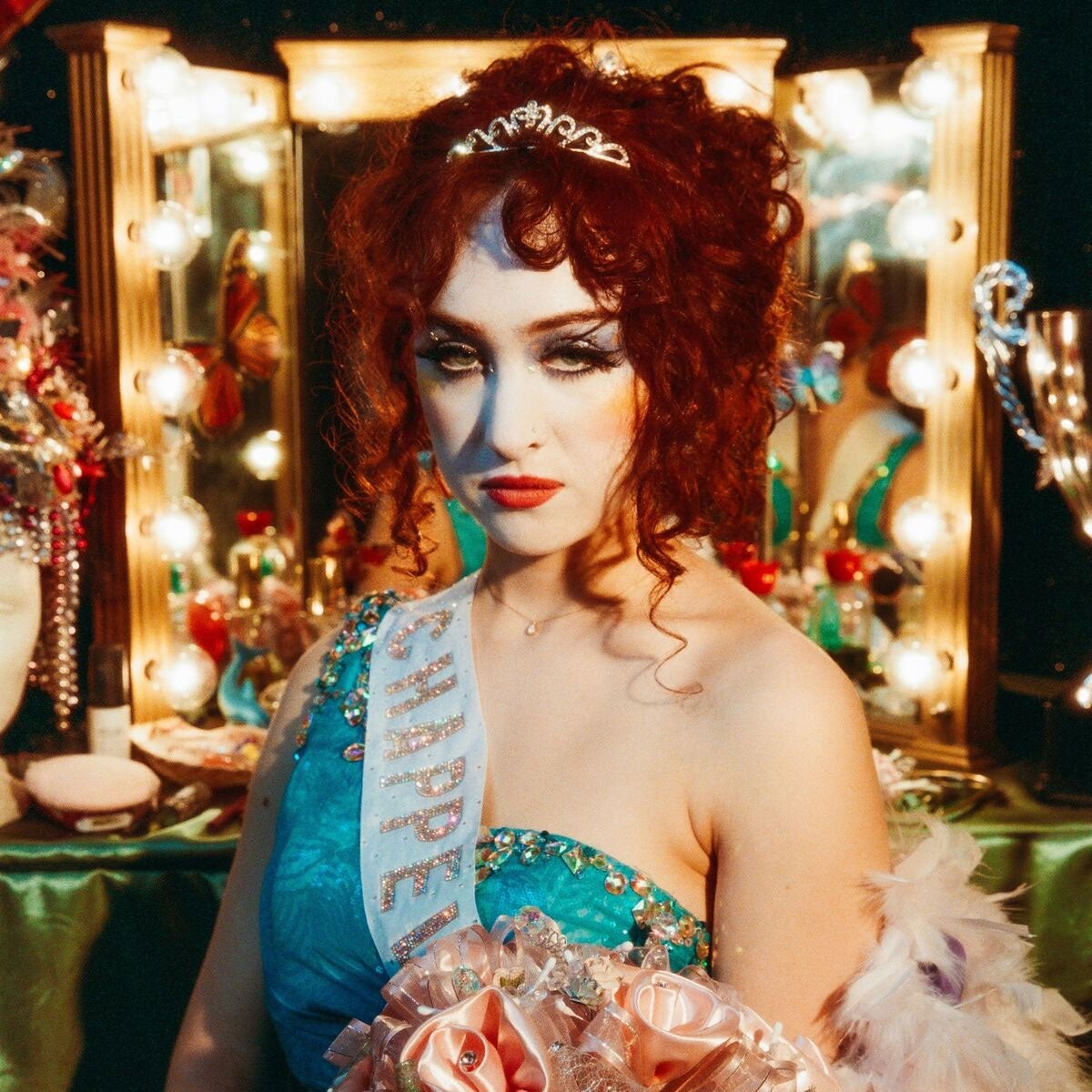
Chappell Roan’s album The Rise and Fall of a Midwest Princess came out last year basically unnoticed outside of gays-only circles, but this year she rapidly became one of the three or four hottest things in pop, with one entrancing single after another—“Good Luck, Babe!,” “Hot to Go!,” “Pink Pony Club”(!). Yet at the peak of her arc this summer, Roan suddenly went public about how many of her new fans were invasive jerks. There was a parallel here with how Taylor Swift complained throughout The Tortured Poets Department about fans deigning to judge her private life, especially on perhaps my favorite track, “But Daddy I Love Him.” You might even compare it with Patrick Flegel of the unexpected indie breakout band Cindy Lee, which after doing its very best to prevent people from listening to its album Diamond Jubilee (now Pitchfork’s No. 1 album of the year), canceled its tour after people annoyingly persisted in enjoying it. (If it’s any consolation to the group, I did not.)
But damn, it’s almost as if artists fostering parasocial relationships with fans through social media and Easter egg hunts over lyrical clues to their personal lives turns out to have a downside. I don’t fault any of these artists for their complaints. I just wonder if the overall conditions are capable of changing.
7. Céline Dion, “Hymne à l’amour,” Paris Olympic Opening Ceremony, July 26
Just a bit more than a month after a documentary about her health condition that made many of us question whether she could ever perform again, Céline Dion mounted the Eiffel Tower (the Eiffel Tower!) and sang this song of doomed love by Edith Piaf (Edith Piaf!) so passionately and perfectly that friends of mine who had resisted Dion their whole lives were instantly converted. In retrospect, obviously the timing of the documentary had been calculated in order to make her imminent comeback feel all the more miraculous. In my relief for her (at least partial) recovery, and awe at that performance, somehow I didn’t resent the manipulation at all.
8. Will “Supernatural” Be the Last NewJeans Single?
The best band in K-pop, at least to dabblers like me, is NewJeans, who put out its latest two singles this spring while becoming subsumed in a complex legal and corporate battle that has exposed a lot about how the K-pop industry functions behind the curtain. The young women in the band have publicly taken sides, which, depending on the outcome, might jeopardize the group’s existence. Meanwhile, this week, the South Korean president attempted to declare martial law, then was forced to take it back, as part of his ongoing clash with the legislative opposition. Did the NewJeans power struggle presage the South Korean government crisis? Probably not. But does it mean the end of K-pop’s incredible winning streak? Also doubtful, though it could bring some transformations, as Katherine St. Asaph writes at Stereogum. Still, so much drama!
9. The Dream Birth of “Hit Em” Dance Music, July 29
As proof that good things can still happen on the internet, near the end of July, Drew Daniel (Johns Hopkins University English professor and half of the venerable experimental electronic duo Matmos) tweeted that he’d had a dream in which a girl at a rave told him about “a genre called ‘hit em’ that is in 5/4 time at 212 bpm with super crunched out sounds.” (Oh, and did he mention that he lived in a grave covered in slime?) Some 7 million views later, Daniel found that people all over the world were making his subconsciously conjured genre a reality and producing “Hit Em” tracks. In November, a 26-track Hit Em compilation was released by Tabula Rasa records titled Thank You, Dream Girl, including many well-known producers. But that’s only a small portion of the nearly “infinite jukebox” of Hit Em productions that are archived at the Hit Em website. And what does it sound like? Super crunched out, mostly.
10. The Red Hot Org Is on Fire
The Red Hot Organization was founded in 1989 as an AIDS awareness and fundraising organization, and remembered from those days for the Red Hot and Blue Cole Porter tribute album featuring everyone from Sinéad O’Connor to the Jungle Brothers, which sold a million copies. It’s carried on ever since, but lately it seems to be operating at a particularly high level. Last month it released a nearly four-hour, trans-support-themed compilation called Transa, with contributors including Sade (whose first new song in six years, “Young Lion,” is dedicated to her trans son), Julien Baker, André 3000, Jlin, Moor Mother, Sam Smith, Beverly Glenn-Copeland, Laura Jane Grace, Perfume Genius, and too many others to name. That follows two more special-guest-packed, Sun Ra–themed anthologies this year, one “hosted” in a sense by Meshell Ndegeocello and the other by the Kronos Quartet. Along with the Noise for Now reproductive rights organization’s delightful recent compilation Songs for Sex, these are all examples of part of what music people can do to face the coming challenges.
11. Lara Trump, “Anything Is Possible”
On the other hand, this harshly autotuned, saccharine power ballad by He Who Shall Not Be Named’s daughter-in-law (who stepped away from her “music career” to co-chair the Republican National Committee this year) is a dystopian ghost of pop future. I haven’t been able to get “that little girl/ Ridin’ on her Pegasus” out of my head since April, mostly because David Rees on the Election Profit Makers podcast kept playing ridiculous digital deconstructions of it in every episode. It has become the sonic equivalent in my mind of Orwell’s “boot stamping on a human face—forever.” And while the viral TikTok hit “Man in Finance,” by Girl on Couch/Megan Boni, was meant to be satirical, with its vocal-fried checklist of dating attributes (“I’m looking for a man in finance … trust fund/ 6’ 5”/ Blue eyes”), sadly, its apparent cultural accuracy makes it more depressing than amusing to me. At such moments, I reach for a powerful humanist statement like Laurie Anderson’s incredible setting of C.P. Cavafy’s all-too-relevant 1898 poem “Waiting for the Barbarians,” performed at Saint Thomas Church in New York. Or the Pet Shop Boys’ funny-sad plea to find “A New Bohemia.”
12. John Zorn Puts Out 12 Albums in 2024
Then again, we could just look back to the old bohemia. Last year, when music geeks widely celebrated the experimental label Tzadik coming at last to streaming services, we didn’t stop to think that meant that we’d be met by the ever-flowing spigot of its founder John Zorn’s astoundingly prolific output in real time. This year the New York avant-garde saxophonist, composer, and new-music impresario is 71 and he has released, as of this writing, 12 full-length albums—not just live improv recordings as you might think, but three albums of compositions for organ, one live album of radical love songs, two volumes of the acclaimed classical singer Barbara Hannigan performing Zorn’s intricate vocal compositions, a quartet album called Ballades, another called Lamentations, a trio record called Her Melodious Lay, another of his ongoing project the New Masada Quartet live in concert, and a reunion of his death metal–jazz trio Painkiller. On sampling, not a dud in the bunch. What have you been up to?
13. Carsie Blanton, “Song of the Magi”
Both the best Christmas song and perhaps the best protest song I’ve heard this year is “Song of the Magi” by Carsie Blanton, a New Jersey DIY singer-songwriter whose latest album (also very good) is called After the Revolution. It was only after many listens that I found out “Magi” is actually a 2007 song by Anaïs Mitchell, which I’ve never heard anyone else revive. It turns on the simple fact that Bethlehem is now a West Bank war zone, as the biblical wise men tell the newborn infant in the manger, “Your home is a checkpoint now … put your hands in the air, my child.” Yet fittingly for a seasonal hymn, it does end on a note of hope. Its only rival on that level is “Gaza Is Calling” by Mustafa (formerly of Toronto), from his album Dunya. Despite the title, it’s no call to arms but an aching story about being separated from a Palestinian childhood friend whose mind was always drawn back to home. It’s about the complexity of exile, not easy solutions.
14. Maggie Rogers, “Don’t Forget Me”
Sometimes you just want something simple and beautiful. Maggie Rogers’ single from last winter made me cry the first time I heard it and every time since. Amid 2024’s vast smorgasbord of sounds, “Don’t Forget Me” and Waxahatchee’s “Right Back to It” are the two that have kept replenishing me most—and make me want to keep listening in 2025, whatever else comes.
Listen to Carl Wilson’s playlist of the best music of 2024 on Apple Music, YouTube, Tidal, and Spotify.
Source link